


The Power of Budgeting in Everyday Life
In today’s fast-paced world, where expenses seem to multiply overnight—from rising grocery costs to unexpected medical bills—many families struggle to keep up. But what if a simple habit could turn the tide? That’s where understanding why budgeting is important comes into play. Budgeting isn’t just about tracking dollars; it’s a roadmap to financial empowerment, helping you align your spending with your goals and dreams.
Imagine a family like yours, juggling mortgage payments, kids’ activities, and saving for vacations. Without a plan, money slips away unnoticed. But with budgeting, everything changes. According to a survey by the Consumer Financial Protection Board, consumers who maintain a budget feel 62% more in control, 55% more confident, and 52% more secure about their finances. This isn’t just theory; it’s a proven path to reducing stress and building wealth.
This article delves into the importance of budgeting, addressing common questions such as its primary purpose, key functions, daily significance, and top benefits. We’ll share relatable insights on how budgeting can transform your finances with budgeting strategies that prioritize your needs over impulse buys. Whether you’re new to money management or looking to refine your approach, you’ll find valuable, actionable advice here. Additionally, we’ll recommend tools like those from NerdWallet to help you get started.
By the end, you’ll see budgeting not as a chore but as a daily practice that fosters security and growth. Let’s explore how embracing budgeting benefits can lead to a brighter financial future for you and your loved ones.

Why is Budgeting Important?
At its core, why budgeting is essential boils down to one key idea: it gives you control over your money, rather than letting money control you. In an era where the average household expenditure reaches $77,280 annually, while incomes hover around $101,805, unplanned spending can quickly erode savings. Budgeting acts as a safety net, ensuring every dollar serves a purpose.
For families, the importance of budgeting is most evident in preventing debt accumulation. Consider how unexpected costs—such as car repairs or school fees—can derail your plans. A well-crafted budget anticipates these, allocating funds for emergencies and reducing reliance on credit cards. Research from Pew shows that 59% of Americans feel knowledgeable about creating a monthly budget, yet many still overlook its role in long-term wealth building.
Budgeting also promotes mindful spending, encouraging you to distinguish needs from wants. This shift can lead to significant savings; for instance, families who budget often cut unnecessary expenses by 20-30%, freeing up money for investments or family experiences. Moreover, in a time when 36% of young adults (18-34) rely on family financial help, teaching budgeting early fosters independence.
Ultimately, why budgeting is essential is about more than numbers—it’s about peace of mind. It empowers you to set goals, such as funding a child’s education or retiring comfortably, and track your progress toward them. As financial experts at NerdWallet emphasize, budgeting is the foundation of smart money habits that can transform your finances with budgeting tools and strategies.
Secondary benefits include improved relationships, as open budget discussions reduce money-related arguments in households. If you’re wondering how to start, begin by tracking your income and expenses for a month—you’ll quickly see why budgeting is essential for your unique situation.
How to Start Budgeting for Your Family
A step-by-step guide to implementing budgeting and understanding why budgeting is vital for financial transformation.
– Track your income and expenses for one month.
– Categorize spending into needs and wants.
– Set realistic financial goals.
– Use budgeting tools or apps to monitor progress.
– Review and adjust monthly.
What is the Main Purpose of a Budget?
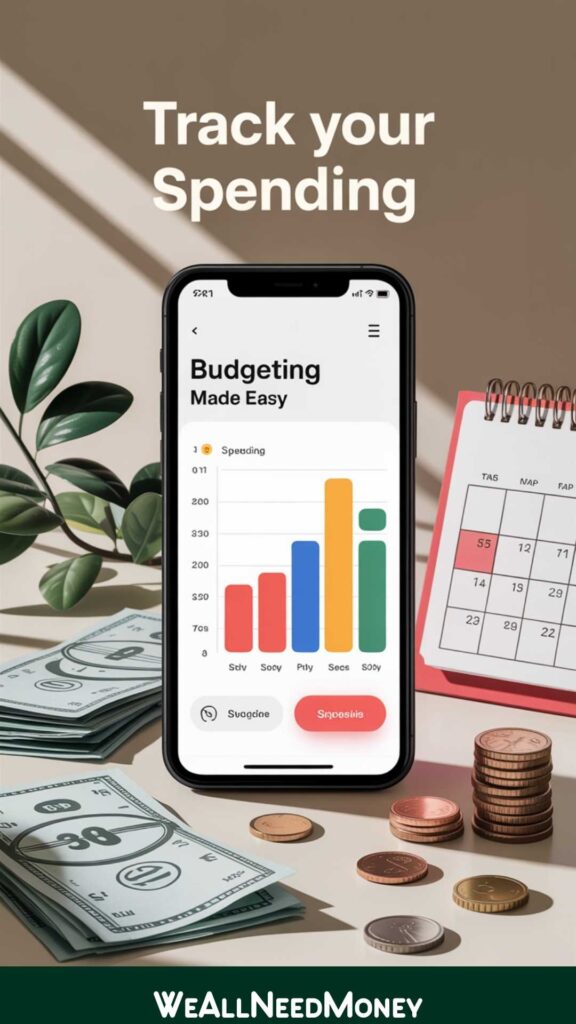
The primary purpose of a budget is to create a structured plan that aligns your income with your expenses, ensuring financial stability and helping you achieve your goals. Think of it as an economic blueprint: it outlines where your money comes from and where it goes, preventing overspending and promoting savings.
In essence, a budget’s primary role is to allocate resources. For families, this means prioritizing essentials like housing (typically 25-30% of their income) and food, while setting aside portions for debt repayment and enjoyment. According to the Economic Policy Institute’s Family Budget Calculator, a modest standard of living requires careful planning to cover the basics without excess.
Beyond basics, the purpose extends to forecasting. By reviewing past spending, you can predict future needs, such as holiday gifts or home maintenance. This foresight is crucial, as Ramsey Solutions reports that 77% of Americans feel financially stable or better when they actively budget.
For those exploring budgeting benefits, the primary purpose also includes accountability. It holds you responsible for financial decisions, turning abstract goals into tangible actions. Whether saving for a home or reducing debt, a budget’s purpose is to make those aspirations a reality.
To implement this effortlessly, explore EveryDollar, a user-friendly app that makes aligning your income and expenses a breeze—start mapping your financial blueprint today for more precise control.
The Five Functions of a Budget
Budgets serve multiple roles, making them indispensable for financial health. Here are the five key functions of a budget, each contributing to why budgeting is essential:
- Planning and Forecasting: This function involves projecting income and expenses to ensure accurate financial planning and forecasting. It helps anticipate shortfalls, such as seasonal utility spikes, allowing for adjustments. For example, families can plan for back-to-school costs, avoiding last-minute stress.
- Resource Allocation: Budgets distribute funds efficiently across various categories, including housing, transportation, and savings. Research from the Chicago Booth Review indicates that two-thirds of respondents use budgets for this purpose, leading to better income utilization.
- Control and Monitoring: By tracking actual vs. planned spending, budgets flag deviations early. Dive into real-time oversight with PocketGuard, which sends instant alerts to keep your spending on track—unlock more intelligent monitoring now.
- Goal Setting and Achievement: Budgets turn dreams into plans, such as allocating 10% of income to retirement. A study in the Journal of Financial Therapy notes that households with budgets achieve their goals faster, thereby building wealth over time.
- Evaluation and Adjustment: Regularly reviewing performance allows tweaks. If groceries exceed allocations, you can cut dining out. This adaptive function ensures long-term relevance, in accordance with Northwestern University’s financial wellness guidelines.
These functions of a budget work together to create stability. For a seamless way to handle all five, check out Quicken Simplifi and its customizable dashboards—empower your planning with intuitive tools designed for everyday success.
The Importance of Budgeting as a Daily Practice
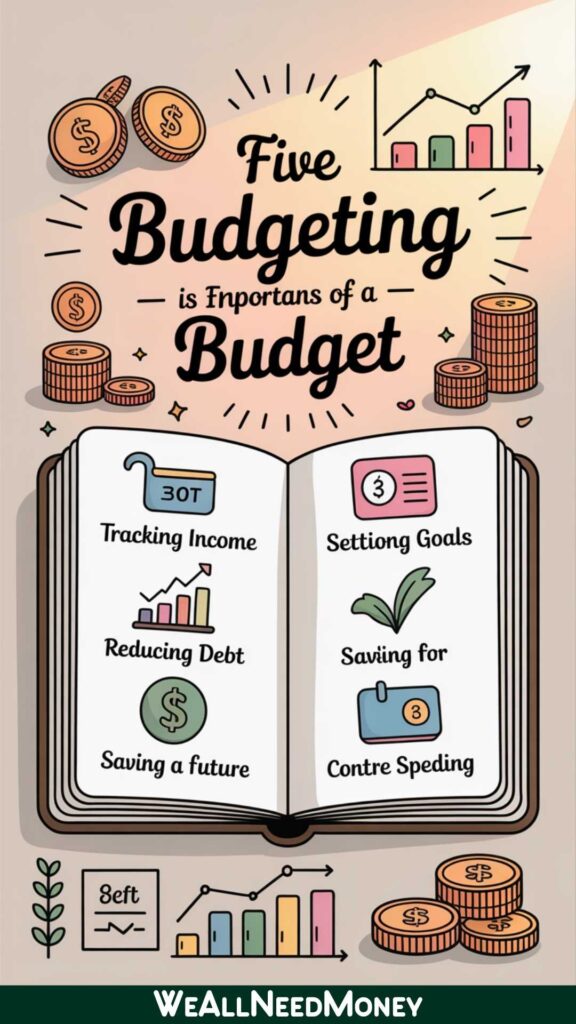
Making budgeting a daily practice amplifies its impact, turning it from a monthly chore into a habit that builds financial discipline. The importance of budgeting daily lies in real-time awareness—checking your app after a purchase keeps spending in check and prevents small leaks from becoming big problems.
Daily budgeting fosters mindfulness, helping you question impulses, such as that coffee run. Over time, this reduces wasteful spending. Self Credit Builder’s statistics show that budgeted households save more across all income levels. It’s especially vital for families, where daily decisions affect everyone.
As a practice, it also builds resilience. Journaling expenses nightly, as suggested by Rutgers research, where only 46% of budgets are regularly updated, helps individuals adapt to changes like job loss.
To make daily tracking simple and envelope-style, give Goodbudget a try—sync across devices and watch your habits transform into lasting financial strength.
Six Advantages of Budgeting
Budgeting offers numerous perks, making it a game-changer. Here are six advantages of budgeting, backed by data:
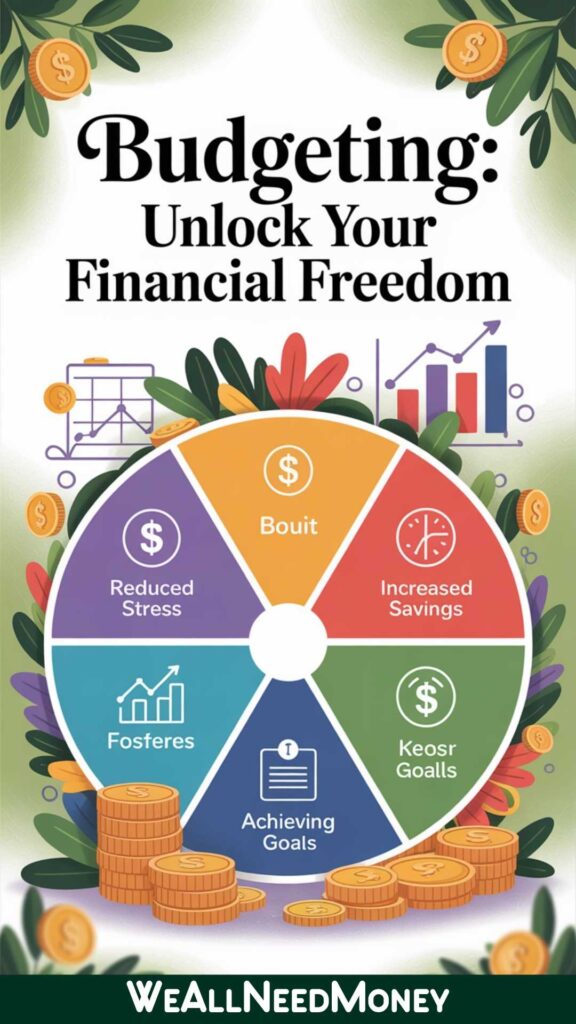
- Reduces Financial Stress: With a plan, worries diminish. The CFPB survey reveals that budgeted individuals feel 52% more secure. For families, this means fewer arguments over money.
- Increases Savings: Budgets earmark funds for emergencies. Fidelity notes two-thirds aim to save more via budgeting. Aim for 20% of income saved.
- Improves Debt Management: Allocating for repayments accelerates payoff. Pew data shows 57% feel confident in debt plans with budgets.
- Enhances Decision-Making: Clear visibility aids choices, like skipping luxuries for vacations. NCBI research links mental budgeting to better decisions.
- Builds Wealth Over Time: Consistent budgeting compounds savings, allowing for long-term financial stability. Federal Reserve data shows family finances improve with planning.
- Promotes Family Unity: Shared budgeting strengthens bonds. InCharge reports that it teaches kids responsibility.
These advantages of budgeting highlight its transformative power. Ready to experience zero-based planning? Start with YNAB (You Need a Budget), hailed as top-rated for 2025 by NerdWallet, and see your savings grow.
How Budgeting Changed My Family’s Finances: A Relatable Journey
Like many families, you might recall times when bills piled up and savings felt elusive. That’s how it was until budgeting came into play. By categorizing expenses and setting limits, overspending dropped, echoing the 62% control boost in surveys. Suddenly, vacations became possible without debt.
This transformation isn’t unique—it’s what happens when you prioritize why budgeting is essential. Families using comprehensive platforms report similar shifts, turning chaos into confidence. Elevate your journey with Monarch Money, recognized as a top choice for 2025 by CNBC, for personalized insights that make a real difference.
Your story could be next: Start small, track daily, and watch finances flourish.
Essential Tools and Resources to Transform Your Finances with Budgeting
To make budgeting seamless, leverage apps that simplify debt tracking and more—discover Rocket Money, praised as best for debt management by CNET, and take charge of your subscriptions today. Or gain free credit insights alongside budgeting with Credit Karma—empower your decisions with reliable data at your fingertips.
For those planning ahead, simulate future scenarios with ProjectionLab—visualize your financial path and adjust confidently. Remember, resources from NerdWallet provide comparisons to help you find what best suits your needs.
Frequently Asked Questions: why budgeting is important
Why is budgeting important?
It provides control, reduces stress, and builds wealth.
What is the primary purpose of the budget?
To align income with expenses for balance.
What are the five functions of a budget?
Planning, allocation, control, goal setting, and evaluation.
What is the importance of budgeting as a daily practice?
It ensures real-time awareness and discipline.
What are six advantages of budgeting?
Stress reduction, increased savings, effective debt management, better decision-making, wealth building, and family unity.
Conclusion: Embrace Budgeting for Lasting Change
Understanding why budgeting is essential unlocks a world of financial possibilities. From its functions to daily practice and advantages, budgeting empowers you to transform your finances. Start today—your future self will thank you.