


In today’s unpredictable world, learning how to build an emergency fund is crucial for safeguarding your finances against life’s surprises. Whether you’re facing job loss, medical bills, or car repairs, having a dedicated savings buffer can provide peace of mind and prevent debt spirals. This comprehensive guide explores five practical strategies to build an emergency fund fast, offering advice on building an emergency fund for unexpected expenses, understanding the importance of building an emergency fund, and achieving goals like building an emergency fund before the end of the year or creating an emergency fund by next fall. We’ll also discuss why you should build an emergency fund before investing and how it contributes to your overall financial security.
By focusing on actionable steps, you’ll discover ways to accelerate your savings without overwhelming lifestyle changes. Remember, the key to building an emergency fund fast lies in consistency, wise choices, and leveraging tools that maximize your efforts. Let’s dive in and empower you to take control of your financial future.

What Does It Mean to Build an Emergency Fund?
Before we explore the strategies, it’s essential to clarify the build an emergency fund. An emergency fund is a dedicated pool of money set aside specifically for unforeseen events, not for vacations or gadgets. It’s your financial safety net, typically covering 3-6 months of living expenses, though beginners might start with $1,000.
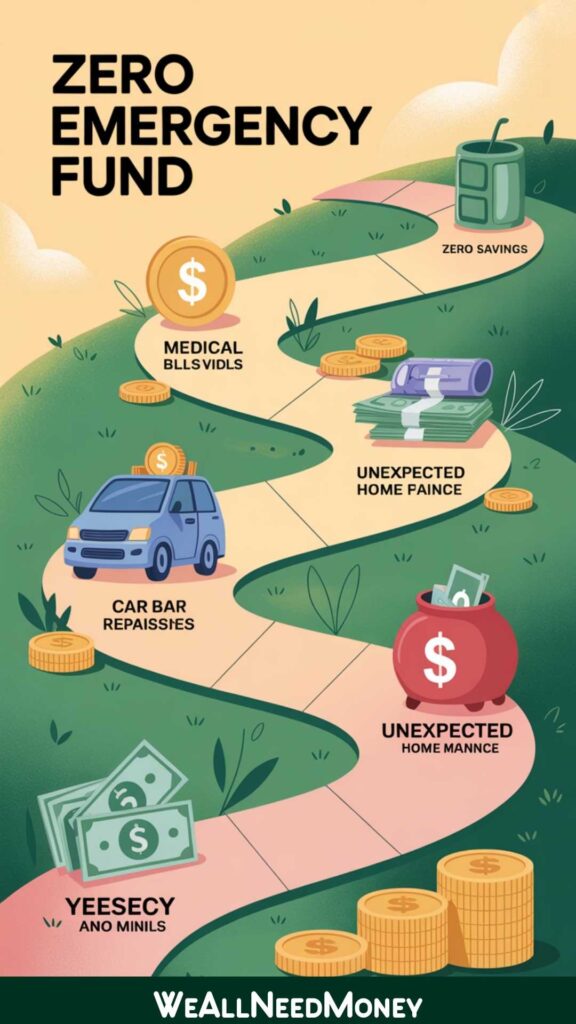
Building an emergency fund for unexpected expenses ensures you’re prepared for situations like home repairs or health issues without relying on credit cards or loans, which can lead to high-interest debt. Experts recommend prioritizing this before other financial goals—such as building an emergency fund before investing—to avoid derailing your portfolio during crises. This approach enhances the building of an emergency fund and financial security by reducing stress and enabling better decision-making.
If you’re aiming to build an emergency fund before the end of the year, assess your current savings and set realistic monthly targets. Similarly, to create an emergency fund by next fall, factor in seasonal expenses and build momentum over time. The focus is on proactive saving to handle life’s curveballs efficiently.
Why Build an Emergency Fund Fast? The Urgency Explained
In a fast-paced economy, delays in building an emergency fund can expose you to risks. Unexpected expenses arise without warning—think a sudden appliance breakdown or veterinary bills. By learning to make an emergency fund fast, you create a buffer that maintains your lifestyle continuity.
Financial advisors, including those featured on platforms like TIME (time.com), emphasize emergency savings tips as foundational to wealth-building. Saving for unexpected expenses isn’t just prudent; it’s a strategy for long-term stability. Without it, you might dip into retirement accounts or accrue debt, hindering progress toward goals like homeownership.
Moreover, building an emergency fund and financial security fosters resilience. Studies show that households with emergency funds report lower stress levels and better economic outcomes. If you’re new to this, start small but act quickly—every dollar counts toward building an emergency fund for unexpected expenses.
How to Build an Emergency Fund Fast
Simple Step-by-step guide to saving for unexpected expenses and achieving financial security.
Total Time: 3 minutes
– Trim your budget by identifying and cutting non-essentials.
– Boost income through side hustles like freelancing.
– Sell unused items on online platforms.
– Automate transfers to a high-yield savings account.
– Direct windfalls like tax refunds to your fund.
Estimated Cost: 00 USD
Supply:
- Budgeting app or spreadsheet
Tools:
- High-yield savings account
5 Ways to Build an Emergency Fund Fast
Here are five proven methods to accelerate your savings. Each strategy is designed to be practical, with tips to implement immediately. Whether you want to build an emergency fund before the end of the year or create an emergency fund by next fall, these approaches can help you reach your targets efficiently.
1. Trim Your Budget Ruthlessly for Quick Wins
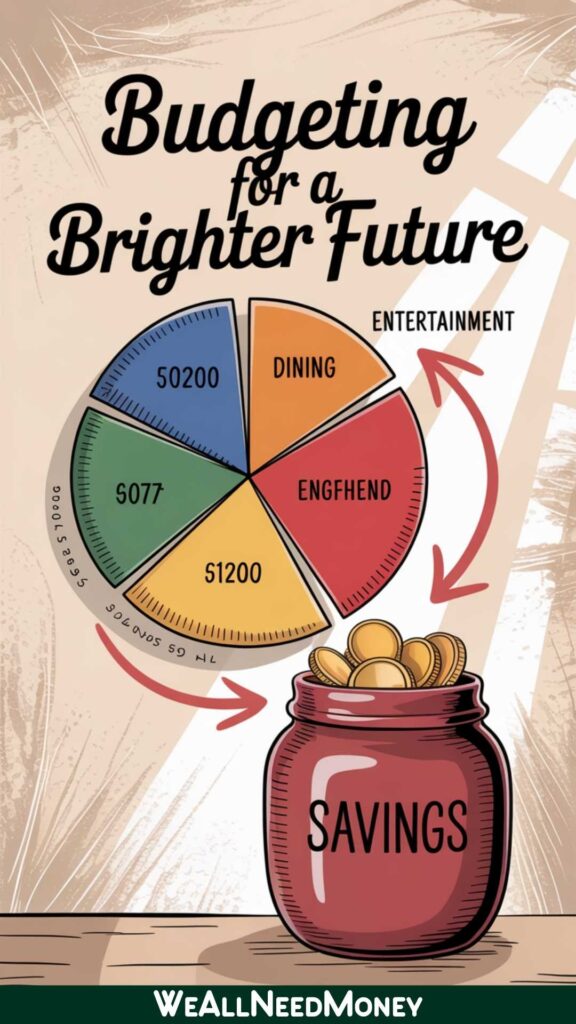
One of the simplest ways to build an emergency fund fast is by scrutinizing and cutting non-essential spending. Start by tracking your expenses for a month using free apps like Mint. Identify areas like dining out, subscriptions, or impulse buys that add up.
For instance, if you spend $200 monthly on coffee and lunches, redirecting half to your emergency fund could add $1,200 annually. This method aligns perfectly with building an emergency fund for unexpected expenses, as it frees up cash without extra effort.
To build an emergency fund before the end of the year, aim for a 10-20% budget cut. Negotiate bills—call your cable provider or switch to cheaper insurance via comparison sites like Policygenius – get quotes and potential cashback. Use cash envelopes for discretionary spending to enforce limits.
Pros: Immediate impact, no additional income needed.
Cons: Requires discipline; avoid cutting essentials like health coverage.
Tips for success:
- Review bank statements weekly.
- Cancel unused gym memberships or streaming services.
- Shop with lists to curb grocery overspending.
By focusing on these habits, you’ll understand how the build an emergency fund through tangible progress, enhancing your financial security.
2. Boost Your Income with Side Hustles
To build an emergency fund fast, increasing earnings is a game-changer. Side hustles provide extra cash flow dedicated solely to your fund. Popular options include freelancing on Upwork – join and access high-paying gigs, or driving for Uber – sign-up bonuses available.
If you’re skilled in graphic design or writing, platforms like Fiverr can yield $500+ monthly. For those preferring flexibility, pet-sitting via Rover fits busy schedules.
Aiming to create an emergency fund by next fall? Dedicate 10-15 hours weekly to hustles, potentially adding $1,000-2,000 monthly. This helps you build an emergency fund for unexpected expenses without touching your primary paycheck.
Remember, build an emergency fund before investing—use side income for savings first to avoid risks. Track earnings with tools like QuickBooks Self-Employed – simplify taxes and get discounts.
Pros: Scalable, builds skills.
Cons: Time-intensive; manage burnout.
Real-life example: A teacher earned $3,000 in six months tutoring online, fully funding her emergency stash. This underscores how side hustles contribute to building an emergency fund and financial security.

3. Sell Unused Items for Instant Cash Infusion
Decluttering your home can help you build an emergency fund fast by turning assets into savings. Platforms like eBay – list items and earn commissions on sales, or Facebook Marketplace make it easy to sell clothes, electronics, or furniture.
Start with a garage sale or app listings—aim to generate $500-1,000 quickly. This method is ideal for building an emergency fund for unexpected expenses, as it’s a one-time boost without ongoing commitment.
To build an emergency fund before the end of the year, inventory items now and price competitively. Use apps like Decluttr to sell tech gadgets for cash.
Pros: Clears space, immediate funds.
Cons: Limited to what you own; market fluctuations.
Tips:
- Take high-quality photos.
- Research prices for fair value.
- Bundle items for better deals.
This strategy embodies building an emergency fund, meaning by repurposing possessions for security, ensuring you’re prepared before diving into investments.

4. Automate Savings and Leverage High-Yield Accounts
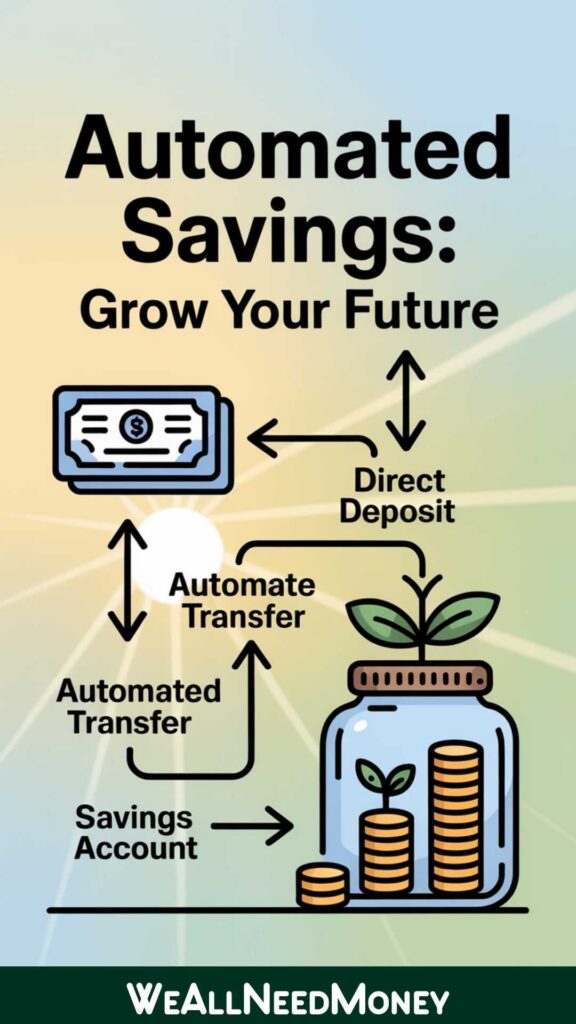
Automation removes temptation, making it easier to build an emergency fund fast. Set up direct deposits from your paycheck into a separate account. Open a high-yield savings account with Ally Bank (affiliate link: ally.com/affiliate – competitive rates and no fees) to earn interest, compounding your efforts.
For those wanting to create an emergency fund by next fall, automate $100-200 bi-weekly transfers. This builds momentum toward building an emergency fund for financial security.
Incorporate round-up features from apps like Acorns – invest spare change with bonuses, directing extras to your fund. Always build an emergency fund before investing in stocks to ensure financial stability.
Pros: Effortless, interest growth.
Cons: Requires initial setup; monitor fees.
Example: Automating $50 weekly could yield $2,600 yearly, plus interest. This is a cornerstone of saving for unexpected expenses.
5. Utilize Windfalls and Tax Refunds Wisely
Windfalls like bonuses, inheritances, or tax refunds offer opportunities to build an emergency fund fast. Instead of splurging, allocate 50-100% of your budget to your fund. For the 2025 tax season, use tools like TurboTax to optimize returns.
If aiming to build an emergency fund before the end of the year, earmark holiday bonuses now. This supports building an emergency fund for unexpected expenses without daily sacrifices.
Pros: Lump-sum boosts.
Cons: Infrequent; plan accordingly.
Tips:
- Create a “windfall rule” for allocation.
- Avoid lifestyle inflation.
- Consult advisors for large sums.
By doing so, you’ll establish an emergency fund as part of your routine, enhancing overall financial resilience.

Common Challenges and How to Overcome Them
Building an emergency fund isn’t without hurdles. Low income? Focus on micro-savings and hustles. Motivation dips? Set visual reminders or join accountability groups on Reddit.
Inflation erodes value—counter with high-yield options. If unexpected expenses hit before your fund is ready, use low-interest credit as a bridge, but repay quickly.
Staying consistent ensures you build an emergency fund fast, leading to lasting financial security.
Frequently asked questions
What is the purpose of building an emergency fund?
Building an emergency fund means setting aside money specifically for unforeseen expenses, like medical bills or repairs, to avoid debt and ensure financial stability.
How much should I aim to build in my emergency fund?
Start with $1,000, then aim for 3-6 months of living expenses, depending on your job stability and family needs.
Why build an emergency fund before investing?
An emergency fund provides liquidity for crises, preventing you from selling investments at a loss during market dips.
Can I build an emergency fund before the end of the year?
Yes, by cutting expenses, starting side hustles, and automating savings, you can accumulate a solid fund in months.
Conclusion: Take Action Today for a Secure Tomorrow
You’ve now got the tools to build an emergency fund fast, from trimming budgets to automating savings. Prioritize this for building an emergency fund for unexpected expenses and achieve milestones like building an emergency fund before the end of the year or creating an emergency fund by next fall. Remember, build an emergency fund before investing to protect your assets.
Start small, track progress, and celebrate wins. For more emergency savings tips, check resources like TIME. Your financial security awaits—begin today.