


Raising kids in the US, UK, Canada, or Australia is rewarding, but it can also be expensive—school supplies, groceries, and activities add up quickly. According to a 2024 USDA report, the average annual cost of raising a child in the US is $20,000. For parents on a tight budget, every dollar counts. Whether you’re juggling daycare costs in New York, school fees in London, or extracurriculars in Sydney, these 7 money-saving tips for parents can help you save $500 or more annually without sacrificing your family’s needs. From cashback apps to meal planning, these practical strategies are beginner-friendly and designed for busy parents like you.
Note: Some links may become affiliate links, earning a commission at no cost to you.
Why Money-Saving Tips Matter for Parents
As a parent, you know the challenge of stretching a budget to cover diapers, tuition, or family outings. Saving money as a parent isn’t just about cutting costs—it’s about building financial security for your kids’ future. These budgeting tips for parents are drawn from proven strategies, such as those shared by experts at Money Nuggets, and tailored specifically for families. Whether you’re a single parent in Toronto or a dual-income household in Melbourne, these tips will help you reduce expenses, boost savings, and even fund a family vacation.

1. Use Cashback Apps to Save on Everyday Purchases
Cashback apps are a game-changer for parents on a tight budget. They reward you with money back on purchases like groceries, clothes, or school supplies, saving $50-$100/year. In my experience, these apps are like digital coupons—effortless and rewarding.
- Rakuten: Earn cash back (1-10%) on US and UK retailers, including Amazon and Walmart. Perfect for back-to-school shopping. Free to join. Try Rakuten.
- Ibotta: Earn cash back on groceries (e.g., $ 0.50-$2 per item) at US stores like Target. Ideal for family shopping lists. Free app. Try Ibotta.
- TopCashback: Popular in the UK, it offers up to 10% cashback on retailers like Tesco. Great for family essentials. Free to join. Try TopCashback.
Why It Works: Cashback apps turn routine spending into savings. For example, spending $500 per month on groceries at 5% cash back results in a $ 25 annual savings.
Tip: Link your apps to a US or UK bank account (e.g., Chase, Barclays) for easy payouts. Stack with coupons for extra savings.
Savings Potential: $100-$300 per year.

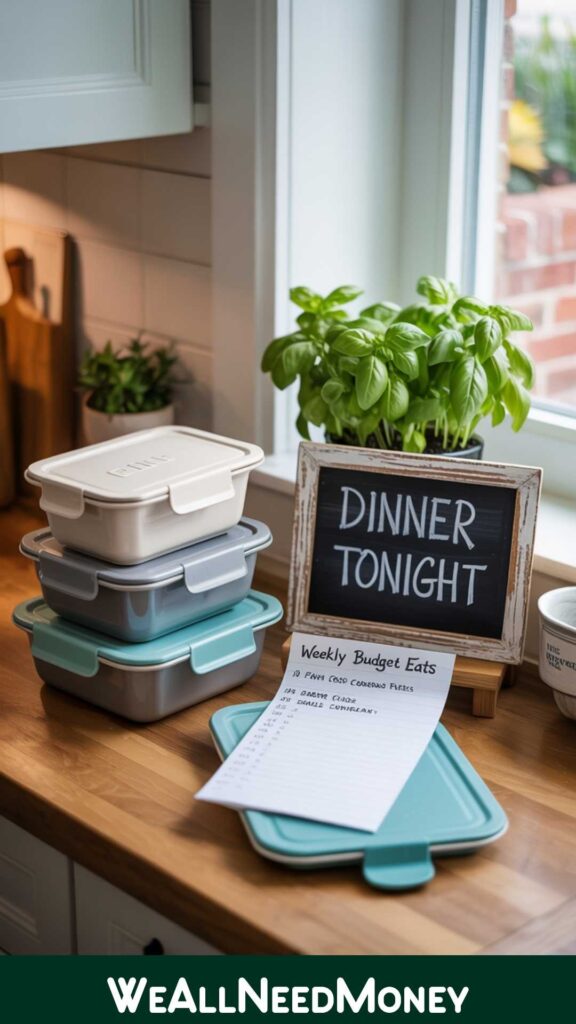
2. Plan Meals to Cut Grocery Costs
Grocery bills can eat up your budget—US families spend $7,000/year on food, per 2024 USDA data. Meal planning reduces waste and impulse purchases, saving $ 500 or more per year.
- Batch Cook: Prepare meals in bulk (e.g., casseroles) to save time and money. I used this trick to feed my family of six.
- Shop Smart: Use apps like Flipp (free) to find local deals in the US and Canada, or mySupermarket (UK) for price comparisons.
- Buy in Bulk: Shop at Costco or Aldi for staples like rice or diapers to cut costs by 20-30%.
Why It Works: Planning meals for a week reduces the number of grocery trips, saving $50-$100 per month.
Tip: Create a weekly menu with your kids—my 7-year-old loves picking budget-friendly meals. Check Budget Bytes for cheap recipes.
Savings Potential: $500-$1,000 per year.
3. Shop Secondhand for Kids’ Clothes and Gear
Kids outgrow clothes and gear fast, but buying new isn’t always necessary. Secondhand shopping can save you 50-70% on items like jackets, toys, or strollers.
- ThredUp: US-based platform for gently used kids’ clothes. Save $50-$100 per year on school outfits. Try ThredUp.
- Vinted: Popular in the UK, offers affordable kids’ clothing and gear. Free to join. Try Vinted.
- Local Thrift Stores: Check Goodwill (US) or charity shops (UK, Canada) for deals under $ 5 per item.
Why It Works: Secondhand items cost a fraction of retail, freeing up funds for savings. My twins wore thrifted jackets, saving us hundreds of dollars.
Tip: Join local Buy Nothing groups on Facebook for free kid items in your area.
Savings Potential: $200-$500 per year.

4. Use Budgeting Apps to Track Expenses
Budgeting apps help you track your spending, ensuring you stay on budget. They’re perfect for parents juggling multiple expenses, such as school fees or extracurricular activities.
- YNAB (You Need A Budget): Assigns every dollar a job, syncing with US banks like Wells Fargo. $14.99/month, free trial. Try YNAB.
- Mint: Free app for US users, tracks spending and credit scores. Try Mint.
- Goodbudget: Envelope budgeting for couples, ideal for families in the UK and Canada. Free plan, plus a $8/month option. Try Goodbudget.
Why It Works: Apps catch small leaks (e.g., $10 coffee runs), saving $200-$400 per year. I used similar tools to manage family expenses.
Tip: Set weekly check-ins with your partner or kids to review budgets—my 13-year-old loves tracking with apps.
Savings Potential: $200-$400 per year.

5. Cut Subscription Costs with Smart Choices
Subscriptions (e.g., Netflix, Spotify) can cost between $100 and $200 per month. Reviewing and trimming them saves big without losing entertainment.
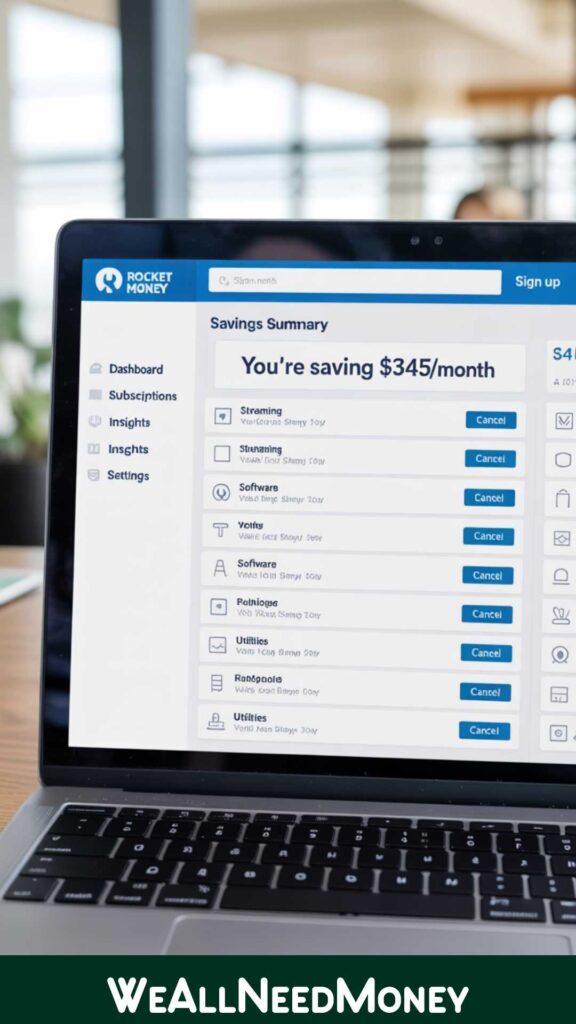
- Audit Subscriptions: Use Rocket Money (free plan) to track and cancel unused subscriptions. Try Rocket Money.
- Share Plans: Split family plans (e.g., Netflix Family, $22.99/month) with relatives to cut costs by 50%.
- Free Alternatives: Use library apps like Libby (free) for e-books and audiobooks instead of Audible.
Why It Works: Cutting two $ 10-per-month subscriptions saves $240 per year. I learned this after overspending on apps.
Tip: Ask your kids to pick one streaming service—mine chose Disney+ to share.
Savings Potential: $150-$300 per year.
6. Leverage Free Community Resources
Communities offer free resources that save parents hundreds on activities, education, or childcare.
- Libraries: US, UK, and Canadian libraries provide free books, classes, and kids’ programs. My 7-year-old loves library storytime.
- Community Centers: Offer free or low-cost sports, art classes, or summer camps. Check local YMCA (US) or community hubs (UK).
- Parent Groups: Join online groups like Mumsnet (UK) or Nextdoor (US) for free playdates or hand-me-downs.
Why It Works: Free programs replace paid activities, saving $100 to $300 per year.
Tip: Search “free family events [your city]” on Google for local options.
Savings Potential: $100-$300 per year.

7. Start a Side Hustle for Extra Income
A side hustle can help offset tight budgets, earning between $200 and $500 per month. Parents can leverage skills like tutoring or selling crafts to boost savings.
- Fiverr: Offer services (e.g., data entry, tutoring) for $5-$50 per gig. Try Fiverr.
- Etsy: Sell crafts or printables (e.g., budget planners). Try Etsy.
- TaskRabbit: US/Canada platform for tasks like organizing or delivery, earning $20-$50/hour. Try TaskRabbit.
Why It Works: Earning $200/month adds $2,400/year to your savings. I started side hustles to support my family.
Tip: Involve kids in simple hustles (e.g., my twins sell crafts online). Read my guide on 5 Side Hustles for Busy Parents.
Savings Potential: $1,000-$3,000/year (via extra income).

Comparison Table: Money-Saving Tools for Parents
| Tool | Cost | Best For | Savings Potential |
|---|---|---|---|
| Rakuten | Free | Cashback on shopping | $100-$300/year |
| Ibotta | Free | Grocery cashback | $50-$200/year |
| YNAB | $14.99/month | Budget tracking | $200-$400/year |
| Mint | Free | Expense monitoring | $100-$300/year |
| Rocket Money | Free plan | Subscription cutting | $150-$300/year |
| Fiverr | Free to join | Side hustle income | $1,000-$3,000/year |
How to Start Saving Today

Ready to save $500 for your family? Follow these steps:
Plan One Week of Meals:
Use Flipp to find deals and batch cook.
Shop Secondhand:
Check ThredUp or local thrift stores for kids’ clothes.
Cut One Subscription:
Use Rocket Money to cancel an unused service.
Explore Free Events:
Visit your library or community center.
Start a Hustle:
List a skill on Fiverr for extra income.
Related: See my Resources page for more tools to save money as a parent.
Why These Tips Work for Every Parent
These money-saving strategies for parents are simple, tested, and effective, whether you’re in New York, London, or Sydney. They don’t require tech skills or big changes—just small steps to stretch your budget. As a parent who’s balanced tight finances, I’ve seen these tricks save hundreds. According to Money Nuggets, small savings add up to thousands over time, helping you build an emergency fund or fund a family goal.
Frequently Asked Questions
Q: What’s the easiest way to save money as a parent?
A: Start with cashback apps like Rakuten or Ibotta—they’re free and save $50-$300/year on routine purchases.
Q: How can parents budget without tech skills?
A: Use free apps like Mint or Goodbudget; they’re beginner-friendly and sync with US/UK banks for easy tracking.
Q: Are side hustles realistic for busy parents?
A: Yes, platforms like Fiverr offer flexible gigs (e.g., data entry, $5-$50 per gig) that fit around family schedules.
Q: How much can I save with these tips?
A: Combining cashback, meal planning, and side hustles can save or earn $1,000 to $5,000 per year.
Want More? Join my newsletter for a free budget planner PDF to start saving today. Share your tips in the comments or email me at [info@weallneedmoney.com] via our Contact Page.
Disclaimer: Some links may become affiliate links, earning a commission at no cost to you. This article is based on general experience, not professional financial advice—consult an advisor for personalized guidance.