


In the world of investing, knowing what not to do is often more important than knowing what to do. That’s why understanding investing mistakes to avoid is crucial for beginners looking to build long-term wealth. From the top 5 beginner investing mistakes to the most significant investment mistakes in history, many pitfalls have derailed even seasoned investors. This mistake could cost you up to 15% of your investment returns—how to avoid it is a question every new investor should ask. If you’re wondering, “Why am I so bad at investing?” or “How not to invest,” you’re not alone. Common errors like chasing trends, emotional investing, and ignoring fees can wipe out years of gains.
In this comprehensive guide, we’ll explore five major investing mistakes to avoid for beginners, drawing from real-world examples, expert insights, and practical strategies. Whether you’re a first-time investor in the US, UK, Canada, or Australia, avoiding these errors can help you sidestep costly traps and set yourself up for success. We’ll cover investing mistakes to avoid, as highlighted by Fidelity experts and discussed by Reddit users, and more, including wrong investment quotes that illustrate these pitfalls. By the end, you’ll have actionable steps to invest smarter, plus answers to common questions like “What is the 7 rule in investing?” and “What is the 10/5/3 rule of investment?”
Let’s dive in and learn how to protect your portfolio from these common mistakes people make when investing.

Mistake 1: Trying to Time the Market and Chasing Trends
One of the most common investing mistakes to avoid is attempting to time the market—buying low and selling high based on predictions. This often leads to chasing returns or chasing the trends, where investors jump into hot stocks or sectors after they’ve already peaked. According to Fidelity, timing the market is one of the 7 biggest mistakes investors are making now, as it’s nearly impossible to predict market movements consistently.
Why It’s a Problem: Market timing requires perfect foresight, but even pros struggle. For example, the most significant investment mistakes in history include the AOL-Time Warner merger in 2000, where investors chased the dot-com bubble, leading to a $99 billion loss. Beginners often buy high out of FOMO (fear of missing out) and sell low in panic, costing up to 15% in returns over time due to missed compounding.
Real-World Example: During the 2021 meme stock craze, many chased trends like GameStop, only to lose big when prices crashed. As Warren Buffett says in a wrong investment quote, “The stock market is designed to transfer money from the active to the patient.”
How to Avoid It: Adopt a long-term strategy like dollar-cost averaging—invest fixed amounts regularly regardless of market conditions. This reduces emotional decisions and leverages compounding. For beginners, the 7 rule in investing (or Rule of 72) shows how investments double every 7 years at 10% returns, emphasizing patience over timing.
Step-by-Step How-To:
- Set up automatic monthly investments in a diversified index fund.
- Ignore short-term noise—constantly watching markets is another trap that leads to excessive investment turnover.
- Use apps like Acorns to automate round-up investments, turning spare change into growth.
By avoiding market timing, you can prevent emotional investing and focus on steady growth, which is key for avoiding investing mistakes that beginners should avoid.

Mistake 2: Failing to Diversify and Ignoring Risk Management
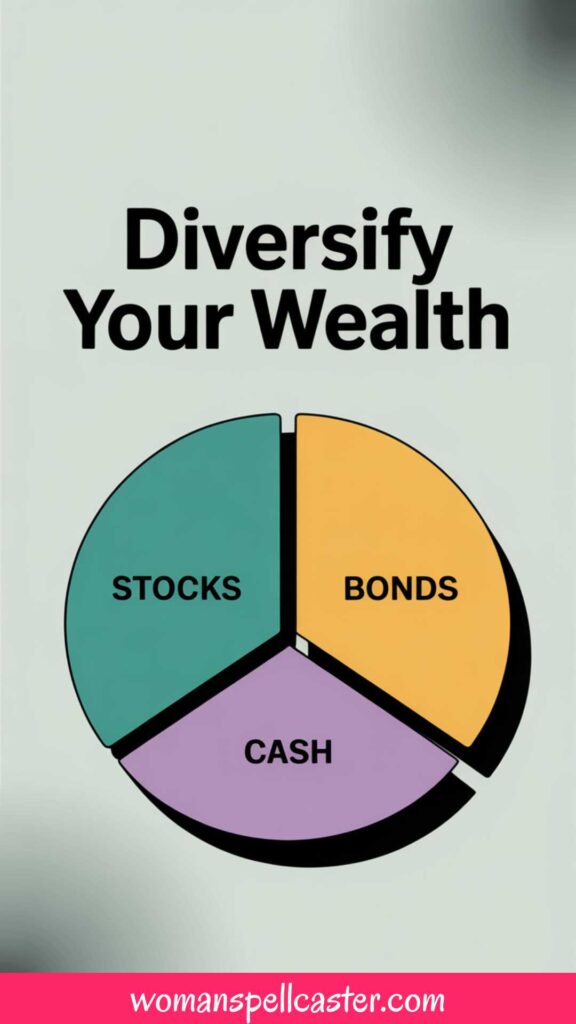
Lack of diversification and failure to diversify are among the top 5 beginner investing mistakes, as they expose your portfolio to unnecessary risk. Failing to diversify means putting all eggs in one basket, while failing to understand risk leads to overexposure to volatile assets. Schwab notes overconcentration in individual stocks or sectors as a top mistake.
Why It’s a Problem: Without diversification, a single bad event (e.g., a company bankruptcy) can wipe out gains. The biggest investment mistakes in history include Kodak’s failure to diversify into digital photography, leading to bankruptcy. Beginners often invest all of their money in one stock, ignoring risk management and neglecting emergency savings, which can cost 10-15% in returns due to losses.
Real-World Example: Enron investors lost everything in 2001 due to a lack of diversification. As a wrong investment quote from Peter Lynch goes, “Owning stocks is like having children—don’t get involved with more than you can handle.”
How to Avoid It: Follow the 10/5/3 rule of investment: Expect 10% from stocks, 5% from bonds, and 3% from cash for balanced returns. Diversify across asset classes (stocks, bonds, ETFs) and sectors. Rebalance annually to maintain your mix, or risk losing your desired asset allocation.
Step-by-Step How-To:
- Build an emergency fund (3-6 months’ expenses) before investing—neglecting emergency savings is a huge error.
- Use low-cost ETFs like Vanguard S&P 500 (placeholder link: Vanguard) for instant diversification.
- Assess your risk tolerance: If you’re a beginner, aim for 60% stocks/40% bonds to manage volatility.
Diversifying your portfolio helps mitigate risks and is essential for avoiding investing mistakes that Reddit users often discuss, where many regret going all-in on one stock.
Mistake 3: Making Emotional Decisions and Chasing Returns
Making emotional decisions, emotional investing, and being emotional are top reasons people ask, “Why am I so bad at investing?”. This includes chasing returns by buying high during booms and selling low in panic, often driven by FOMO or fear.
Why It’s a Problem: Emotions lead to excessive investment turnover and chasing the trends, costing up to 15% in returns through poor timing. Investopedia calls it one of the 6 common beginner investing mistakes. The biggest mistake an investor can make is reacting to short-term market noise, as Bankrate notes.
During the 2008 crash, many investors sold at the bottom, missing the recovery.
A wrong investment quote from Warren Buffett: “Be fearful when others are greedy, and greedy when others are fearful.”
How to Avoid It: Stick to a plan, ignoring daily fluctuations. Use the 10/5/3 rule of investment to set realistic expectations: 10% stock returns, 5% bonds, 3% cash—Automate investments to avoid emotional triggers.
Step-by-Step How-To:
- Create a written investment plan with goals (e.g., retirement in 30 years).
- Use robo-advisors like Betterment to automate decisions.
- Practice patience—lack of patience is a killer; remember, investing $1,000/month for 30 years at 7% could grow to over $1 million (using compound interest calculators).
Emotional investing is a key investing mistake to avoid for beginners, as it often leads to buying high and selling low.
Mistake 4: Paying Excessive Fees and Ignoring Inflation
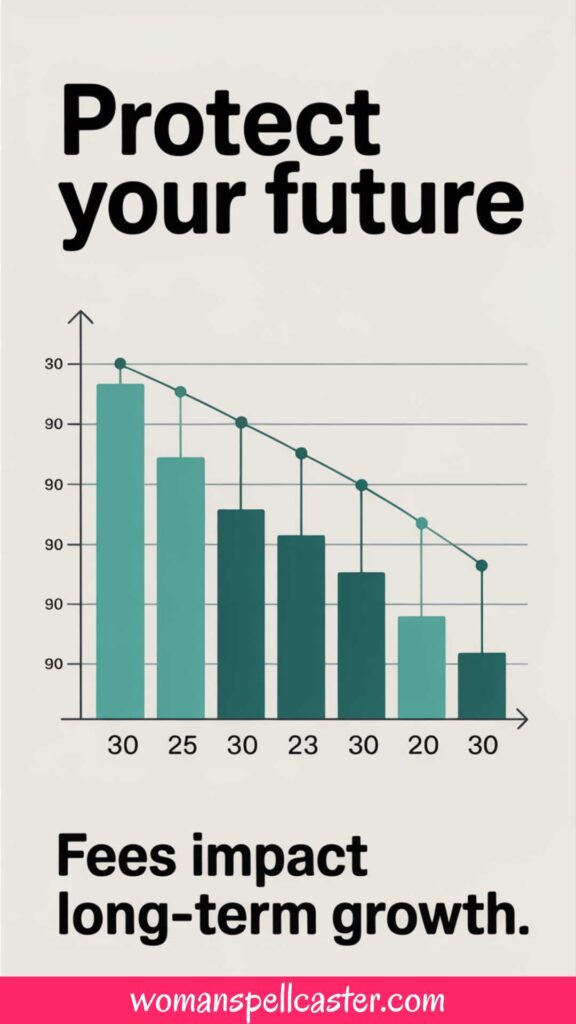
Paying excessive fees and ignoring fees are silent killers, with CFA Institute noting they can reduce returns by up to 15%. Ignoring inflation erodes purchasing power, making your money worth less over time.
Why It’s a Problem: High fees compound negatively— a 1% fee on a $100,000 portfolio costs $1,000/year. Inflation (e.g., 3% annual) means $100 today buys less in 10 years. Beginners often overlook these, as in investing mistakes to avoid, Fidelity discussions.
Real-World Example: Mutual funds with 2% fees underperform low-fee index funds, costing investors thousands of dollars. A wrong investment quote from Jack Bogle: “The tyranny of compounding costs is the biggest mistake investors make.”
How to Avoid It: Choose low-fee index funds (e.g., 0.03% expense ratio). Beat inflation with stocks (historical 10% returns). The 7 rule in investing (Rule of 72) shows that money doubles every 10 years at 7%, outpacing inflation.
Step-by-Step How-To:
- Compare expense ratios—use Vanguard for low fees.
- Factor inflation in goals; aim for returns above 3-4%.
- Rebalance annually to minimize fees from turnover.
Ignoring fees is one of the which are common mistakes people make when investing, per Citizens Bank.
Mistake 5: Not Investing or Investing All Your Money, Neglecting Research
Not investing is the biggest mistake an investor can make, per Fidelity, as inflation erodes cash. Investing all of your money without setting aside emergency savings or conducting thorough research leads to high risk.
Why It’s a Problem: Cash loses value to inflation (3-5%/year), while stocks return ~10%. Misunderstanding risk causes beginners to avoid investing, missing compounding. The 10/5/3 rule of investment expects 10% stocks, 5% bonds, 3% cash, but many ignore it.
Real-World Example: Blockbuster’s failure to invest in Netflix (declining a $50 million buyout) cost billions. A wrong investment quote from Benjamin Graham: “The investor’s chief problem—and even his worst enemy—is likely himself.”
How to Avoid It: Start small with an emergency fund (3-6 months’ expenses), then invest regularly—research using tools like Fidelity. For $1,000/month invested for 30 years at 7%, you could have ~$1,223,000.
Step-by-Step How-To:
- Build emergency savings in a high-yield account.
- Research funds via Vanguard or Fidelity.
- Diversify and rebalance to avoid not rebalancing your portfolio.
This is a key investing mistake to avoid for beginners, as neglecting research leads to poor choices.
Conclusion: Start Investing Smarter Today
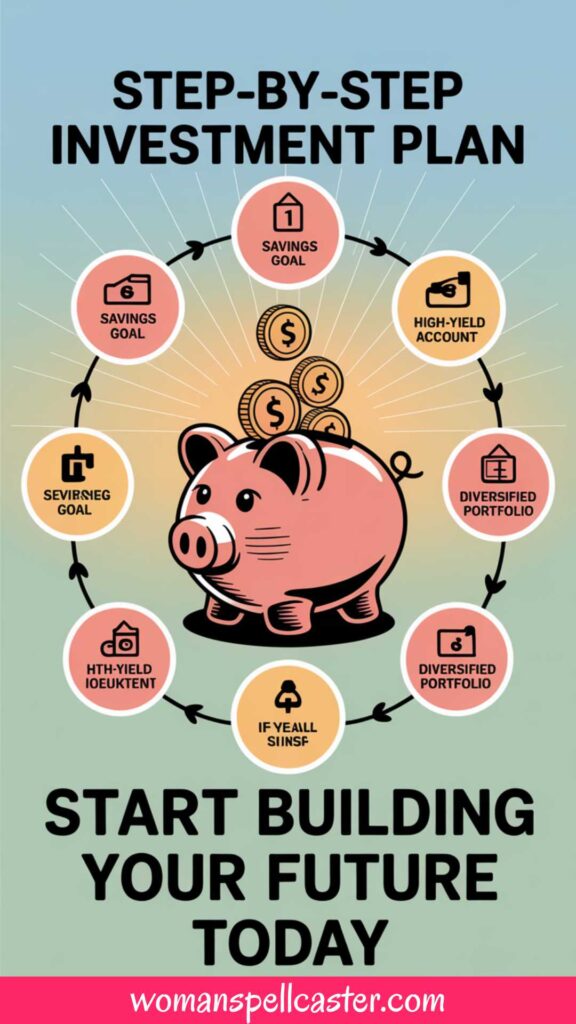
Avoiding these investing mistakes to avoid—timing the market, failing to diversify, emotional decisions, excessive fees, and not investing—can save you thousands in 2025. From the top 7 beginner investing mistakes to the most significant investment mistakes in history, the lesson is clear: Focus on long-term strategies, research, and patience. As someone who learned from a $5,000 Cape Town business loss, I know the power of avoiding these pitfalls. Use the 7 rule in investing to estimate doubling times, the 10/5/3 rule of investment for balanced returns, and tools like Vanguard or Robinhood to get started.
Remember, if you’re thinking “why am I so bad at investing,” it’s often these errors—learn “how not to invest” and turn it around. For personalized advice, consult a financial advisor. Check out my Resources page for more tools, and join my Newsletter for a Free Emergency Fund Guide.

Frequently Asked Questions
Q: What is the 7 rule in investing?
A: The Rule of 72 estimates how long it takes for an investment to double at a given return rate. Divide 72 by the rate (e.g., 72/7 = ~10 years at 7%).
Q: What is the biggest mistake an investor can make?
A: Trying to time the market or making emotional decisions, leading to buying high and selling low.
Q: What is the 10/5/3 rule of investment?
A: A guideline expecting average annual returns of 10% from stocks, 5% from bonds, and 3% from cash.
Q: How much will I have if I invest $1000 a month for 30 years?
A: At 7% average return, approximately $1,223,000 before fees/inflation.