


Freelancing offers freedom and flexibility, but it also brings financial challenges like irregular income and unpredictable expenses. In 2025, with economic fluctuations and rising costs, effective budgeting for freelancers is essential to thrive. This guide explores proven strategies to manage your finances, from determining income to planning for taxes, ensuring you can sustain your business and personal life. Whether you’re a graphic designer, writer, or developer, mastering budgeting will help you navigate variable income, build security, and grow your freelance career.

Understanding the Freelancer Budgeting Landscape in 2025
Budgeting for freelancers involves more than tracking expenses—it’s about creating stability in an unstable profession. According to a 2025 Upwork Freelance Forward report, 36% of freelancers struggle with cash flow due to variable income. To combat this, start by determining your income baseline. Calculate your average monthly earnings over the past 6-12 months, factoring in high and low seasons. For instance, if you earn $5,000 in peak months but $2,000 in slow ones, set your budget at the lower end to avoid overspending.
Secondary keywords like “freelancer budget template” and “create a freelancer budget” highlight the need for customized plans. Use a template from tools like Google Sheets to categorize income sources, fixed expenses (rent, utilities), and variable costs (marketing, software). This approach not only helps you determine expenses but also lets you choose financial priorities, such as allocating 20% to retirement planning or building an emergency fund.
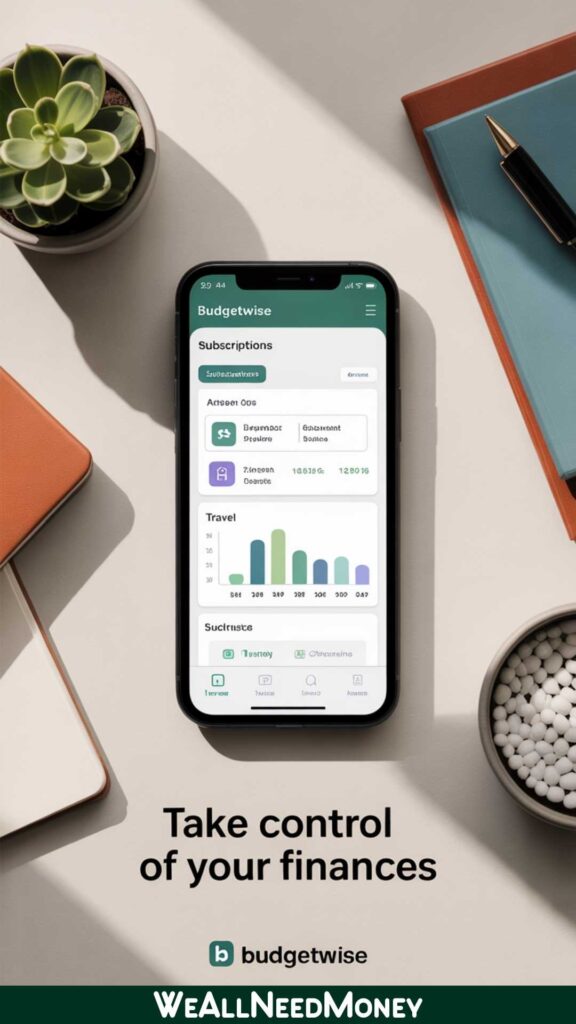
One key trend in 2025 is automation. Automate your budget by setting up recurring transfers for savings and bills. Apps like YNAB (You Need A Budget) can link to your bank account, categorizing transactions in real-time. For freelancers dealing with “variable income budgeting,” this automation ensures you’re prepared for lean months. Additionally, consider a separate bank account for business transactions to simplify tracking and tax preparation.
Determining and Managing Your Freelance Income
Determining income is the foundation of budgeting for freelancers. Track your time meticulously to identify high-paying clients and inefficient tasks. Tools like Toggl or Clockify (free versions available) help log hours, revealing patterns—e.g., if administrative work takes 20% of your time but yields no revenue, outsource it.
With “variable income” being a top concern, aim to diversify sources. Secondary keywords like “know your backup plan” remind freelancers to have contingency strategies, such as a side gig or savings buffer. In 2025, platforms like Fiverr or Upwork make it easy to add streams, but always plan for taxes—set aside 25-30% for quarterly payments to avoid surprises.
Pay yourself a salary to mimic a traditional paycheck. Calculate a fixed monthly draw based on your average income after taxes and expenses. This creates consistency, allowing you to budget like a salaried employee. For example, if your net average is $4,000, pay yourself $3,000 and save the rest for emergencies.
Tracking and Claiming Freelance Expenses
Tracking freelance expenses is crucial to maximize deductions and minimize tax liability. Categorize costs into fixed (e.g., internet, software subscriptions) and variable (e.g., marketing, travel). Use apps like Expensify to scan receipts and log expenses on the go, ensuring you claim expenses like home office setups or client meetings.
Review subscriptions regularly—tools like Truebill (now Rocket Money) scan for unused services, potentially saving $50-100/month. Additional monthly expenses, such as coworking spaces or professional development courses, can add up, so audit them quarterly.
For “track your freelance expenses,” integrate with accounting software like QuickBooks Self-Employed. As a freelancer, deduct home office space (e.g., IRS rules for US-based workers allow $5/sq ft), software (e.g., Adobe Suite), and even partial phone bills. This not only lowers your taxable income but also frees up cash for retirement planning or an emergency fund.
Choosing a Budgeting Strategy That Fits Your Lifestyle
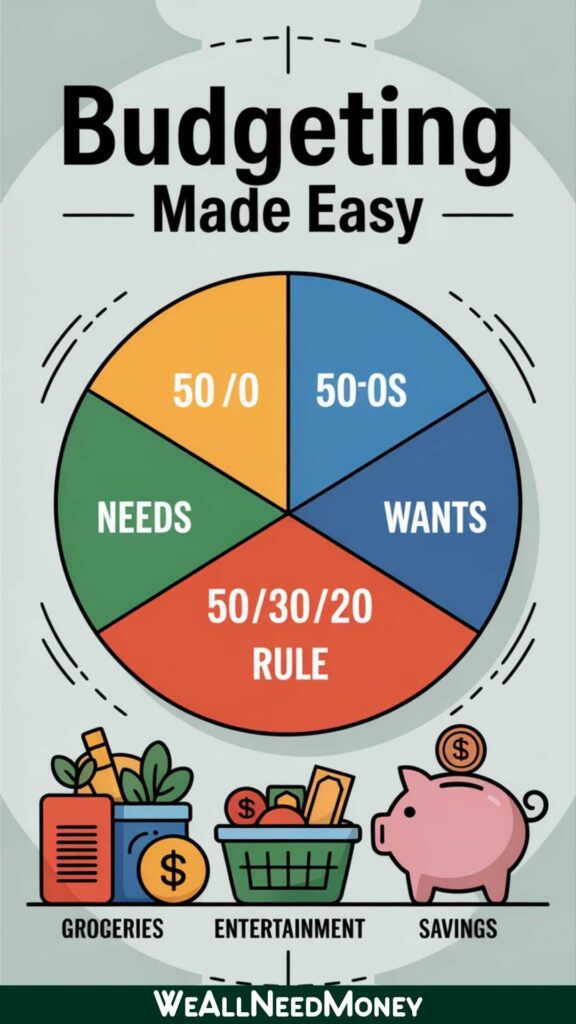
Choosing a budgeting strategy is key to long-term success. The 50/30/20 rule—50% needs (rent, food), 30% wants (entertainment), 20% savings/debt—is popular for freelancers, but adjust for variable income by basing it on your lowest monthly earnings. The 70% rule (70% living expenses, 20% savings, 10% giving/debt) offers more flexibility for irregular flows.
The 75-15-10 rule—75% essentials, 15% savings, 10% fun—suits high-earning freelancers. For secondary keywords like “choose a budgeting strategy,” test these with a freelancer budget template. Make a new budget often—monthly or quarterly—to adapt to income changes. Strategies like zero-based budgeting (assign every dollar a job) via YNAB ensure no waste.
Automating and Separating Your Finances
Automate your budget to eliminate manual tracking. Set up automatic transfers to savings on payday, using apps like Acorns to round up purchases for investments. For “automate your budget,” connect your bank to tools like PocketGuard, which alerts you to overspending.
Consider a separate bank account for business—US freelancers can use Novo or Lili (free business checking) to divide personal and professional funds. This simplifies tax filing and “file quarterly taxes,” as you can track business expenses without mixing them with family costs.
Best payment method for freelancers? Opt for Stripe or PayPal for invoices, with low fees and fast transfers. These integrate with budgeting tools, automating income logging.

Planning for Taxes and Retirement as a Freelancer
Plan for taxes early—US freelancers pay quarterly estimated taxes (Form 1040-ES) on self-employment income. Use the IRS calculator to estimate, setting aside 25-30% in a high-yield savings account. Tools like TaxAct or TurboTax Freelancer edition make filing easier, deducting home office, mileage, and software costs.
Retirement planning is non-negotiable. Secondary keywords like “retirement planning for freelancers” point to SEP-IRA or Solo 401(k) for US workers, allowing higher contributions than traditional IRAs. Apps like Vanguard or Fidelity offer low-fee options—start with $50/month to build a nest egg. My delay in starting retirement savings in Cape Town taught me the power of compound interest; don’t wait.

Building an Emergency Fund and Backup Plans
Build an emergency fund covering 3-6 months of expenses, as freelancers face income gaps. Start small—$1,000 goal—using high-yield accounts like Ally (4.5% APY in 2025). For “save for emergencies,” automate deposits from each payment.
Know your backup plan: Diversify clients, maintain skills (e.g., online courses), or have a part-time gig. Secondary keywords like “know your backup plan” emphasize resilience—network on LinkedIn or attend freelance events to secure alternatives.
Managing Additional Expenses and Subscriptions
Additional monthly expenses (e.g., software like Adobe, marketing tools) can drain your budget. Review subscriptions quarterly—cancel unused ones with Trim or Rocket Money. For “review subscriptions,” aim to cut 10-20% of costs.
Track your time to identify inefficiencies—tools like RescueTime reveal if social media eats hours, freeing time for higher-paying hustles. Plan travel carefully if freelancing involves conferences; use apps like TripAdvisor for budget deals, and deduct business travel expenses.
Variable Income Budgeting: Strategies for Stability
Variable income budgeting requires flexibility. Base budgets on your lowest monthly income, treating extra as bonuses for savings or debt. For “variable income,” use the envelope system (digital via Goodbudget) to allocate funds to categories.
Make a new budget often—adjust after each quarter based on income trends. This keeps you prepared for slow months, ensuring you can pay yourself a salary consistently.
Best Budgeting Tools for Freelancers in 2025
The best budgeting tool for freelancers? YNAB stands out for zero-based budgeting, helping with irregular income. PocketGuard prevents overspending, while Honeydue suits couples sharing finances. QuickBooks Self-Employed tracks expenses and taxes seamlessly for US freelancers. Spendee offers intuitive tracking for 2025 trends, such as AI insights.
According to NerdWallet, freelancers using apps like these save 20-30% more by automating tracking.
Incorporating the 50/30/20 and Other Budget Rules
The 50/30/20 budget rule—50% needs, 30% wants, 20% savings—adapts well for freelancers by applying to average income. The 70% rule (70% living, 20% savings, 10% debt/giving) provides a buffer for variability. The 75-15-10 rule (75% essentials, 15% savings, 10% fun) is ideal for high-earners.
Test these in a freelancer budget template to find what fits your lifestyle.
Freelance Expense Tracking and Claiming Deductions
Track freelance expenses diligently—use Expensify for receipts and mileage. Claim expenses like home office (US IRS: $5/sq ft), internet (business portion), and software. This lowers taxable income, freeing cash for emergencies or retirement.
For “track your freelance expenses,” integrate with accounting tools to automate categorization.
Planning Travel and Additional Expenses
Plan travel carefully—budget for conferences using Kayak for deals, deducting costs as business expenses. Additional monthly expenses like health insurance (critical for freelancers) can be managed with HSAs in the US, which can save on taxes.
Saving for Emergencies and Retirement
Save for emergencies by aiming for 3-6 months in a high-yield account. For retirement, use Roth IRA or SEP-IRA—contribute 20% of profits. Secondary keywords like “retirement planning for freelancers” underscore the need for self-directed plans, as traditional 401(k)s aren’t available.
Choosing Financial Priorities and Paying Yourself
Choose financial priorities: Rank debt repayment, savings, and investments. Pay yourself a salary first—treat it as a fixed expense to build discipline.
Backup Plans and Adapting Budgets
Know your backup plan: Build skills for multiple hustles or maintain an emergency gig. Make a new budget often to adapt to income changes.
Conclusion: Mastering Freelancer Budgeting in 2025
Budgeting for freelancers in 2025 means embracing tools, strategies, and mindset shifts to handle variable income and expenses. By automating budgets, tracking time, and planning for taxes, you’ll create stability and growth. Start with a freelancer budget template, test rules like 50/30/20, and use apps like YNAB or QuickBooks to streamline your finances. As freelancers, our freedom comes with responsibility—master budgeting, and you’ll thrive.
For more, explore our Resources page or join our Newsletter for a Free Freelancer Budget Template. Questions? Contact us!

FAQ
What is the 50 30 20 budget rule?
The 50/30/20 budget rule allocates 50% of income to needs, 30% to wants, and 20% to savings/debt repayment, ideal for freelancers with variable income.
What is the best budgeting tool for freelancers?
YNAB is a top budgeting tool for freelancers due to its focus on irregular income, but alternatives like Mint or QuickBooks Self-Employed are also excellent.
What is the 75-15-10 rule?
The 75-15-10 rule allocates 75% to essentials, 15% to savings, and 10% to wants, great for freelancers prioritizing stability.
What is the 70% rule for budgeting?
The 70% rule for budgeting suggests spending 70% on living expenses, 20% on savings, and 10% on debt, suitable for freelancers with high essentials.
Disclaimer: Some links may become affiliate links, earning a commission at no cost to you. This article is for informational purposes—consult a financial advisor for personalized advice.