


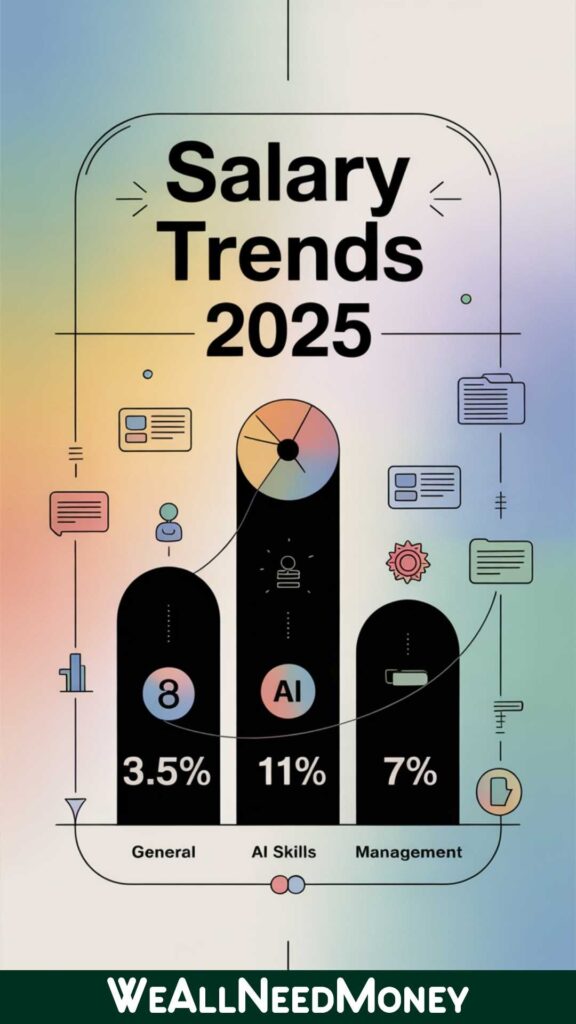
In today’s dynamic job market, knowing how to negotiate a raise is more crucial than ever. With inflation stabilizing but economic uncertainties lingering, employees are seeking ways to boost their income with confidence. As we move through 2026, average salary increases are projected to be around 3.5% to 3.8%, according to recent surveys from organizations such as WTW and Mercer.
Yet, savvy professionals who master negotiation strategies can often secure higher percentages—sometimes up to 10% or more—by leveraging their value and market data. This comprehensive guide will equip you with practical salary negotiation tips, from preparation to execution, helping you approach asking for a raise with poise and precision.
Whether you’re in a traditional office, a remote work setup, or a hybrid role, the principles of negotiating a raise remain timeless, but 2026 brings unique twists. Remote work has reshaped compensation, with some companies adjusting pay based on location, while others prioritize outcomes over geography.
Skills in AI and emerging technologies can command an 11% premium, making it essential to highlight these in your negotiation of a salary increase.
By focusing on value-driven arguments, you can turn the conversation into a win-win, boosting your earnings while reinforcing your role in the company.
Why Negotiating a Raise Matters in 2026
Understanding how to negotiate a raise isn’t just about immediate financial gains—it’s about long-term career growth. In 2026, with remote work influencing salary structures, employees who don’t advocate for themselves risk falling behind. Statistics show that those who negotiate salary increases see an average boost of 15-19.7%. Men often secure higher rates than women, highlighting the need for equitable strategies.
Failing to ask for a raise can cost you thousands throughout your career. For instance, a 5% increase on a $60,000 salary adds $3,000 annually, compounding with future raises. In a year where 17% of job-switchers accepted lower pay, staying put and negotiating effectively can be smarter than jumping ship. Additionally, with employers projecting stable salary budgets of 3.7%, your preparation could tip the scales in your favor.
To boost your income with confidence, start by assessing your worth. Tools like NerdWallet can help you compare salaries and financial planning options, ensuring you’re informed before the talk.
Note: Exploring financial resources through partners like NerdWallet may earn us a commission, helping you manage your boosted income wisely.
Steps on How to Negotiate a Raise in 2026

Step-by-step guide to boost your income through effective salary negotiation.
Prepare Thoroughly
Research market salaries and document achievements.
Choose the Right Time
Schedule after successes or reviews.
Master the Meeting
Use scripts and handle objections.
Follow Up
Explore alternatives and plan next steps.
Supply:
- Market research tools
Tools:
- Brag sheet
Step 1: Prepare Thoroughly Before Asking for a Raise
The foundation of negotiating a raise lies in solid preparation. Without it, your request might come across as impulsive rather than deserved.
Research Market Salaries and Your Value
Begin by benchmarking your current pay against industry standards. In 2026, use sites like Indeed or Glassdoor to research the average salaries for your role, location, and level of experience.
For remote workers, emphasize value over location—companies are increasingly basing pay on outcomes rather than zip codes.
If you’re in tech, highlight AI proficiency for that premium edge.
Document your achievements quantitatively. Did you increase revenue by 15%? Reduce costs by $50,000? These metrics strengthen your case for a salary increase negotiation.
Create a “brag sheet” listing accomplishments since your last review.
Understand Company Context
Timing is key in salary negotiation tips. Review your company’s financial health—if budgets are tight, aim for non-monetary perks like remote flexibility or extra PTO.
In 2025, with promotion rates at 9-10%, tie your request to growth opportunities.
For affiliate integration: To deepen your research, consider books like “Never Split the Difference” by Chris Voss (available on Amazon—affiliate link: as an Amazon Associate, we earn from qualifying purchases). This FBI negotiator’s guide offers psychological tactics perfect for raising discussions.
Set Realistic Goals
Aim for 5-10% above the average 3.7% increase, but have a range: target, minimum, and walk-away point. Factor in total compensation—benefits can add 30% value.

Step 2: Choose the Right Time and Approach
Knowing when and how to ask for a raise can make or break your effort.
Optimal Timing in 2026
Schedule after a big win or during performance reviews, typically Q4 or Q1.
Avoid busy periods like end-of-year rushes. For remote workers, request a video call to maintain a personal connection.
In 2026, with remote work expected to be prevalent (22% of the workforce by year-end), use it to your advantage—negotiate based on productivity gains.
How to Initiate the Conversation
Email your manager, “I’d like to discuss my contributions and compensation—when’s a good time?” This shows professionalism.
Practice your pitch. Rehearse with a friend or use apps recommended in “Getting to Yes” by Roger Fisher (Amazon affiliate: earn from purchases). Focus on collaboration: “I’ve delivered X, Y, and Z—how can we align my pay with that value?”
Step 3: Master the Negotiation Meeting
During the talk, stay confident and data-driven.
What to Say: Scripts and Strategies
Open positively: “I’ve enjoyed contributing to [project], and I’m excited about future growth. Based on my achievements and market data, I’m seeking a [X%] raise.”
Justify with facts: “My work increased efficiency by 20%, aligning with industry averages of $Y for this role.”
Listen actively. If they counter, respond, “I appreciate that—could we explore [benefit] to bridge the gap?”
For remote negotiations, stress outcomes: “My remote setup has boosted output by Z%—let’s reflect that in compensation.”
Affiliate tip: Enhance your scripts with “Crucial Conversations” by Kerry Patterson (Amazon affiliate link for tools on high-stakes talks).
Handling Objections on how to negotiate a raise
If budget is an issue: “Understood—perhaps a performance-based bonus or title bump?”
If denied: Ask for feedback and a timeline. “What milestones would position me for a raise in six months?” Women and underrepresented groups: Negotiate assertively—stats show persistence closes gaps.

Step 4: Consider Alternatives and Follow Up
A raise isn’t just cash—negotiate holistically.
Beyond Salary: Perks and Benefits
In 2026, flexible benefits are on the rise. Request remote work permanence, professional development (e.g., AI courses), or stock options. These can equate to 20-30% added value.
Use NerdWallet for benefit comparisons (affiliate: commissions support content like this).
Follow-Up and Long-Term Planning
Send a thank-you email summarizing agreements. If you don’t receive a raise, update your resume—job switching often yields 10-20% salary bumps.
Build ongoing value: Seek feedback quarterly to strengthen future asks.
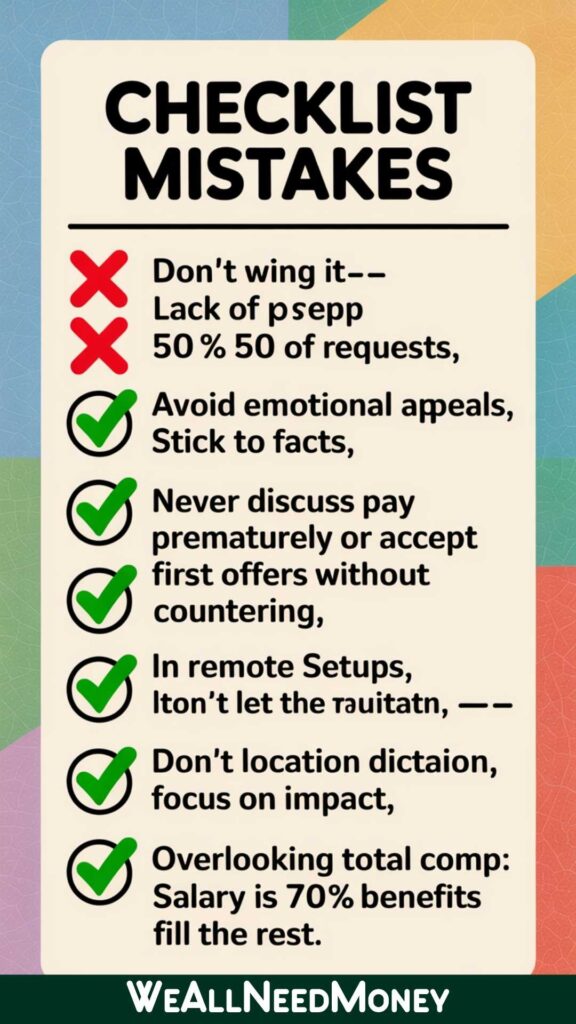
Common Mistakes to Avoid When Negotiating a Raise
Don’t wing it—lack of prep dooms 50% of requests.
Avoid emotional appeals; stick to facts.
Never discuss pay prematurely or accept first offers without countering.
In remote setups, don’t let location dictate—focus on impact.
Overlooking total comp: Salary is 70%; benefits fill the rest.
Boosting Your Income: Advanced Raise Negotiation Strategies
For seasoned pros, layer in psychology. Use “anchoring”: Start high to make your target seem reasonable.
Leverage networks: Discuss with peers (anonymously) for insider intel.
In 2026, AI tools can simulate negotiations—try apps tied to books like “Bargaining for Advantage” by G. Richard Shell (Amazon affiliate).
Gender dynamics: Women aim for communal language. “This benefits the team.”
Remote impact: Employees value remote roles at a 25% pay cut equivalent, so negotiate to retain full value.
For comprehensive training, check Udemy courses on negotiation.
Frequently Asked Questions: How to negotiate a raise
What is the average raise in 2026?
Average salary increases are projected to be 3.5-3.8%, but negotiations can yield higher figures.
How much should I ask for in a raise?
Aim for 5-10% based on your value and market data.
Does remote work affect salary negotiations?
Yes, focus on outcomes rather than location to avoid pay cuts.
What if my raise request is denied?
Seek feedback and revisit in 3-6 months
Conclusion: Take Action to Boost Your Income with Confidence
Mastering how to negotiate a raise in 2026 empowers you to control your financial future. By preparing diligently, timing wisely, and communicating effectively, you can secure the salary increase you deserve. Remember, it’s not just about the money—it’s about recognizing your worth and advancing your career.
Start today: Research, document, and schedule that meeting. With these salary negotiation tips, you’ll approach asking for a raise with confidence and a clear strategy for success.