


In today’s economy, where food prices continue to rise, finding ways to save money on groceries is essential for American households. According to recent data, the average monthly grocery bill for a family of four in the United States is approximately $993 on a thrifty plan; however, many spend more due to inflation and rising costs. With grocery prices increasing by 3% over the 12 months ending in June 2025, families are seeking practical tips to reduce their grocery bills and stretch their budgets further. This article explores 5 proven ways to save money on groceries, potentially cutting $500 or more from your annual spending through budget-friendly grocery shopping strategies, such as meal planning for savings, using cashback apps for groceries, bulk buying, leveraging grocery coupons, and shopping at discount grocery stores in the USA. These methods are simple, actionable, and suitable for busy families, singles, or anyone aiming to lower their grocery bill without sacrificing nutrition or convenience.
Whether you’re dealing with the high costs in states like Hawaii (where groceries can average $1,451 per month) or more affordable areas like Wisconsin ($962 per month), these tips can help. By implementing these strategies, you’ll not only save money on groceries but also gain better control over your overall household expenses. Let’s dive into each method, complete with real-world examples, step-by-step guidance, and tools to get started.
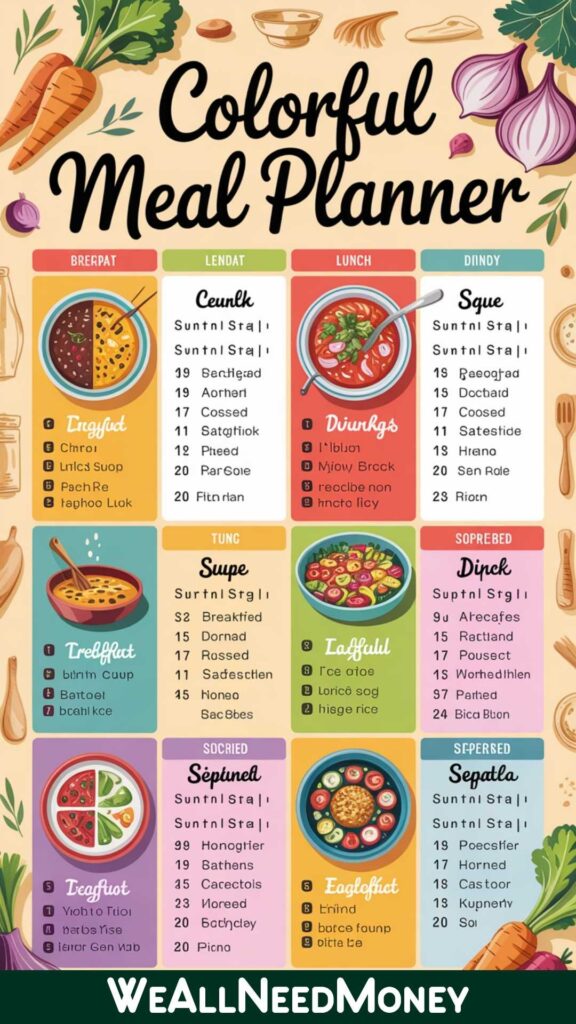
Way 1: Meal Planning for Savings – The Foundation of Budget Grocery Shopping
Meal planning is one of the most effective ways to save money on groceries, as it enables you to buy only what you need and minimize food waste. According to the USDA, the average American household wastes approximately 30-40% of the food it purchases, which translates to hundreds of dollars being thrown away annually. By adopting meal planning for savings, you can reduce your grocery bill by up to 20-30% through intentional shopping.
To begin, create a weekly meal plan that utilizes affordable, seasonal ingredients. For example, focus on versatile staples like rice, pasta, and beans that can be used in multiple dishes. A study from the Urban Institute shows that families who plan meals spend less on impulse buys, which often add 15-20% to the cart total. In the USA, where grocery prices vary by state—higher in California ($1,294 monthly average) and lower in New Hampshire—meal planning allows you to adapt to local costs.
How to Save Money on Groceries in the USA

5 ways to save $500 on groceries, including meal planning and bulk buying.
Meal Planning for Savings
Create a weekly plan, inventory pantry, and make a list to avoid waste.
Use Cashback Apps
Download Ibotta or Rakuten, activate offers, and scan receipts for rebates.
Bulk Buying Groceries
Purchase non-perishables in bulk at Costco, checking unit prices.
Grocery List Apps
Use Flipp to find deals and create lists for efficient shopping.
Step-by-Step Guide to Meal Planning
- Inventory Your Pantry: Check what you already have to avoid duplicate purchases. This simple step can save you $50-$ 100 per shopping trip.
- Choose Budget-Friendly Recipes: Opt for meals under $10 per serving, such as chicken stir-fry or vegetable soup. Use apps like Mealime for recipe ideas.
- Make a Grocery List: Stick to it to prevent overspending. Tools like AnyList or Flipp help organize lists and find deals.
- Shop Once a Week: Limit trips to once weekly to curb impulse buys, saving an average of $100/month according to Bankrate.
Pro Tip: Use grocery list apps to save money, such as Flipp, which scans flyers for deals and can help you save 10-20% on your bill. As families face a 2.2% rise in food-at-home prices in 2025, meal planning becomes even more crucial for maintaining a thrifty budget.
Try Flipp Now!
Way 2: Cashback Apps for Groceries – Earn While You Shop
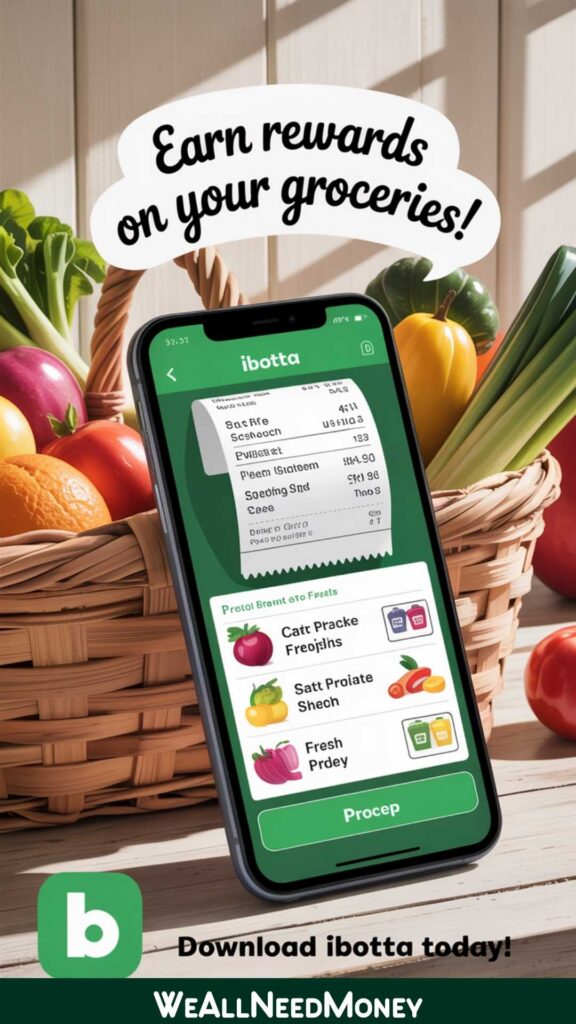
Cashback apps for groceries are a game-changer for reducing your grocery bill, allowing you to earn rebates on everyday purchases. With food inflation at 3% in the 12 months ending June 2025, these apps can return 5-10% or more on your spending, potentially saving $50-100 per month. Popular options like Ibotta and Rakuten have helped millions of users save on groceries, with average earnings reported to be $20-30 per shopping trip.
Ibotta, for instance, partners with major US retailers like Walmart and Kroger, offering cash back on items like milk, eggs, and produce. In 2025, with grocery costs averaging $418 per person per month, using cashback apps can help offset rising prices. According to NerdWallet, apps like Fetch Rewards and Checkout 51 make it easy to scan receipts for rebates, eliminating the need for upfront coupons. For families, this means more savings on staples without extra effort.
How to Maximize Cashback Apps
- Download and Sign Up: Start with Ibotta (free app) and activate offers before shopping. Earn cash back on groceries like fruits and meats. Get the Ibotta App here
- Scan Receipts: Upload your receipt after shopping to claim rebates—many apps pay out via PayPal or gift cards.
- Stack with Coupons: Combine with store sales for double savings. For example, Rakuten offers cash back on online grocery orders from Amazon Fresh.
- Withdraw Earnings: Once you reach $20, cash out to your bank account or use it for future purchases.
One user on Bankrate reported saving $200 annually on groceries using these apps. In high-cost states like California, where grocery bills average $1,294 monthly for households, cashback apps for groceries provide immediate relief. Try Ibotta today and start earning on your next shop—it’s free and user-friendly for busy shoppers.
Way 3: Bulk Buying Groceries – Stock Up Smartly to Reduce Grocery Bill
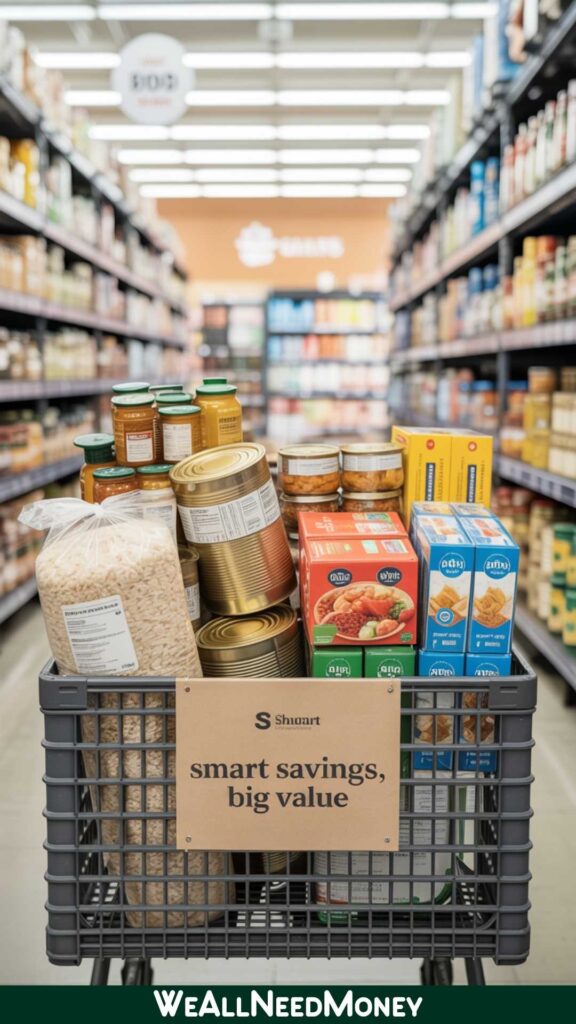
Bulk buying groceries is a top strategy for saving money on groceries, especially for larger households where costs can exceed $993 per month for a family of four. By purchasing in larger quantities, you can lower the per-unit price by 25-50%, according to LendingTree, which found that bulk buying saves an average of 27% on everyday items. In the USA, stores like Costco and Sam’s Club offer bulk deals on staples such as rice, pasta, and meat, which are ideal for families facing a 2.2% increase in food-at-home prices in 2025.
However, bulk buying requires planning to avoid waste. Focus on non-perishables, such as canned goods, frozen vegetables, and household essentials. For example, buying rice in 20-pound bags can save $0.50 per pound compared to smaller packages. AARP recommends calculating unit prices (e.g., cost per ounce) to ensure savings, and Chase notes that bulk buying can cut monthly bills by $100 if done right.
Do’s and Don’ts of Bulk Buying
- Do: Buy shelf-stable items like beans, oats, and toilet paper in bulk—savings of 40% on average.
- Do: Check expiration dates and storage space; freeze meats to extend shelf life.
- Don’t: Buy perishables like fresh produce in bulk unless you meal prep or share with family.
- Don’t: Overbuy without a plan; LendingTree warns that poor bulk buying leads to 30% food waste.
In high-cost areas like Hawaii ($1,451 monthly groceries), bulk buying at Costco can offset import fees. Start small with a $60 membership at Sam’s Club, and use apps like Flipp to find bulk deals. This method helped many families save during the 2024-2025 inflation spike, per ConsumerAffairs.
Way 4: Grocery Coupons and Discount Stores USA – Hunt for Deals
Grocery coupons remain a timeless way to save money on groceries, with digital and printable options saving Americans $3 billion to $ 5 billion annually, according to Coupons.com. In 2025, apps like Coupons.com and store loyalty programs (e.g., Kroger, Ralphs) make it easy to clip coupons for 10-20% off your bill. Combine with discount grocery stores in the USA, such as Aldi or Grocery Outlet, where prices are 40-70% lower than those of traditional supermarkets, according to Grocery Outlet.
For example, Aldi’s store brands offer savings of 30% on average, and Food4Less provides digital coupons for staples. Bankrate estimates couponing can cut $100/month from your grocery bill, especially in high-cost states like Alaska ($1,428 monthly). Nutrition.gov notes that combining coupons with meal planning maximizes savings.
Step-by-Step Couponing Guide
- Sign Up for Apps: Use Coupons.com or the Kroger app for digital coupons—save $20-50 per trip.
- Check Weekly Ads: Stores like Ralphs and Kroger post deals; stack with coupons for double savings.
- Shop Discount Stores: Visit Aldi or Dollar General for basics at 50% off.
- Use Loyalty Cards: Earn points at Food4Less for free items.
Pro Tip: The Flipp app aggregates coupons and flyers, saving time. With average grocery bills at $418/person, couponing is key to staying under budget.
Way 5: Grocery List Apps for Saving Money – Organize and Optimize
Grocery list apps, such as Flipp, AnyList, and Out of Milk, help you stick to your plans, find deals, and avoid impulse buys, saving 10-20% on your bill, according to NerdWallet. In 2025, with food prices up 3%, these apps will integrate with store flyers and cashback for seamless savings. For instance, Flipp scans ads from Kroger and Walmart, helping to reduce grocery bills by $50-$ 100 per month.
AnyList allows shared lists for families, while Mealime combines planning with lists. Good Housekeeping ranks these as top apps for efficiency. For US shoppers, where monthly costs average $504/person, apps like Cozi Family Organizer make budgeting a collaborative effort.
Top Grocery List Apps
- Flipp: Aggregates coupons and flyers, saving you an average of 20%.
- AnyList: Shared lists with recipe import; great for families.
- Out of Milk: Inventory tracking to avoid overbuying.
- Mealime: Meal plans with auto-generated lists.
Pro Tip: Combine with cashback apps for stacked savings. Clark Howard reports users save $300/year.
Frequently Asked Questions
Q: How can meal planning help save money on groceries?
A: Meal planning reduces impulse buys and waste, saving 20-30% on your grocery bill by buying only what you need.
Q: What are the best cashback apps for groceries in 2025?
A: Top apps include Ibotta, Rakuten, Fetch Rewards, and Checkout 51, offering 5-10% back on purchases at US stores like Walmart.
Q: Is bulk buying groceries always a good idea?
A: Yes, for non-perishables, it saves 25-50%, but avoid if you lack storage or won’t use items before expiration.
Q: Where can I find grocery coupons in the USA?
A: Use apps like Coupons.com, store loyalty programs (Kroger, Ralphs), and sites like LOZO for printable coupons.
Q: Which grocery list apps are best for saving money?
A: Flipp for deals, AnyList for shared lists, and Mealime for integrated planning, all helping cut costs by 10-20%.
Conclusion: Start Saving on Groceries Today
Saving money on groceries in the USA is achievable with these 5 ways—meal planning for savings, cashback apps for groceries, bulk buying groceries, grocery coupons, and grocery list apps. By combining them, you can reduce your grocery bill by $500 or more annually, easing the burden of 2025’s 3% food inflation. Whether in expensive states like Hawaii or affordable ones like Wisconsin, these grocery savings tips empower you to shop smarter. Track your progress with a simple spreadsheet, and remember that consistent small changes can lead to significant savings. For more, explore my Resources page.