


If you’re wondering how to build credit for beginners, you’re not alone. Building credit history from scratch can feel overwhelming, but it’s essential for securing loans, renting apartments, or even getting better job opportunities. In 2025, with rising costs and economic uncertainty, having a strong credit score is more important than ever. This comprehensive guide will walk you through proven strategies to build credit for beginners, including how to start building credit for the first time, ways to build credit without a credit card, and how to build credit fast for beginners. Whether you’re 18 and just starting out or in your 20s rebuilding after a setback, these tips will help you improve your credit score easily and responsibly.
A good credit score opens doors to lower interest rates on auto loans, student loans, and credit cards. According to NerdWallet, the average credit score in the US is around 700, but beginners often start with no credit score. That’s where strategies like becoming an authorized user, applying for a secured credit card, or using a credit-builder loan come in. We’ll cover the 5 C’s of credit (character, capacity, capital, collateral, conditions) and the 2/3/4 rule for credit cards to help you avoid common pitfalls. By the end, you’ll know how to build credit with bad credit, how to start credit at 18, and even how to build credit if you have 0.
Quick Tip: Start by checking your credit regularly with free tools like Credit Karma or AnnualCreditReport.com to monitor progress.

Understanding Credit Basics: What You Need to Know to Build Credit for Beginners
Before diving into how to build credit for beginners, let’s cover the fundamentals. Your credit score is a three-digit number (typically 300-850) that lenders use to assess your risk. The most common models are FICO and VantageScore, based on factors like payment history (35%), credit utilization (30%), length of credit history (15%), new credit (10%), and credit mix (10%).
Building credit history takes time, but starting early is key. If you’re asking, “How do I start building credit for the first time?” the answer is simple: Start by taking basic steps like getting a credit card or paying bills on time. For those with no credit, focus on actions that report to the three major bureaus: Experian, TransUnion, and Equifax.
The 5 C’s of credit are crucial: Character (your credit history), Capacity (ability to repay), Capital (assets), Collateral (secured loans), and Conditions (loan purpose/economy). Understanding these helps you diversify your credit accounts responsibly. And what about the 2/3/4 rule for credit cards? It’s a strategy to apply for no more than 2 cards in 3 months or 4 in a year to avoid hard inquiries that lower your score.
For beginners, building a credit score from 0 involves consistent, positive actions. Pay down revolving account balances, keep your credit utilization low (under 30%), and pay loans on time. Now, let’s explore specific strategies.
How to Build Credit for Beginners
Step-by-step guide to build credit for beginners, including secured cards and credit builder loans.
– Become an authorized user on a family member’s credit card.
– Apply for a secured credit card with a small deposit.
– Get a credit builder loan and make on-time payments.
– Pay bills on time and keep credit utilization low.
– Diversify credit accounts with retail or student cards.
Become an Authorized User: A Simple Way to Build Credit for Beginners
One of the easiest ways to build credit for beginners is to become an authorized user on someone else’s credit card, like a parent’s or spouse’s. This adds the card’s positive history to your credit report without requiring you to make payments.
For example, if your family member has a card with on-time payments and low utilization, it can help you build your credit history. However, ensure the primary user has good habits—late payments can hurt you too. According to NerdWallet, this method works best with cards that report authorized users to all bureaus, like those from Chase or Capital One.
Pro Tip: Discuss it with a trusted relative. As a parent myself, I’ve seen how this helps young adults start credit at 18 without risk.
Apply for a Secured Credit Card: Build Credit Fast for Beginners
Secured credit cards are ideal for building credit for beginners with no history. You deposit money (e.g., $200-$500) that becomes your credit limit, and the issuer reports your activity to bureaus.
Top options include the Discover it Secured Credit Card (no annual fee, cashback rewards) or the Capital One Platinum Secured Credit Card (deposit as low as $49). These are great for building credit with bad credit or from 0, as they approve most applicants. Use it sparingly, pay on time, and keep utilization low to see your score rise in 6-12 months.
For students, student credit cards like the Discover it Student Cash Back offer similar benefits with rewards on everyday purchases. Retail credit cards (e.g., Amazon Prime Rewards Visa) can also help diversify your credit accounts, but be mindful of your spending.
Note: If you’re interested in a secured card, check out the Capital One Secured Credit Card for easy approval.
Get a Credit Card: The Foundation of Building Credit History
Once you have some history, get a credit card to help you build credit. Start with student credit cards if you’re under 21, or retail credit cards for easy approval. Pay on time (the most critical factor) and use credit sparingly to keep your accounts active.
The 2/3/4 rule for credit cards helps: Apply for no more than 2 cards in 3 months or 4 in a year to minimize hard inquiries. Diversify your credit accounts with a mix of revolving (cards) and installment (loans) for a better score.
For those asking how to build credit if you have 0, start with secured options before unsecured ones. Keep credit utilization low (under 30%) by paying down revolving account balances monthly.

Pay on Time: The Golden Rule to Build Credit for Beginners
Payment history is 35% of your score, so pay on time every time. Set up autopay for credit cards, student loans, and auto loans to avoid late fees.
If you have student loans, pay your loans on time to build a positive history. For rent, have rental payments reported to bureaus via services like RentTrack or Rental Kharma ($30-$50/month). Pay bills on time for utilities and phones—some providers report to bureaus now.
Pro Tip: Use apps like Credit Karma (free) to set payment reminders. This simple habit helped me rebuild after my Cape Town business loss.
Apply for a Credit-Builder Loan: How to Build Credit with Bad Credit
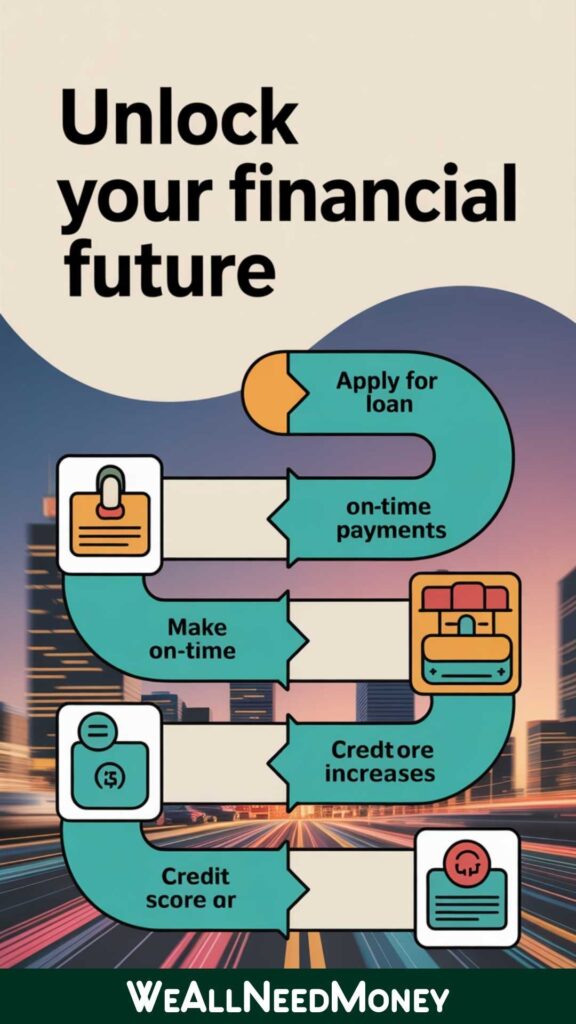
Credit-builder loans are designed to help build credit for individuals with limited or poor credit. You borrow $500-$1,000, but the lender holds it in a savings account while you make monthly payments. After 6-24 months, you get the money back, and payments are reported to bureaus.
Top options include Self Credit Builder (starts at $25/month) or Credit Strong ($15/month). These are great for building credit at 20 or after setbacks. For students, student loans can also improve credit if paid on time.
Try Self Credit Builder for an easy start.
Get a Cosigner: Build Credit for Beginners with Help
If you have no credit, get a cosigner (e.g., a parent with good credit) for a credit card or loan. Their credit backs you, helping with approval, but they’re liable if you miss payments.
This is useful for auto loans or student loans. For example, cosign a small personal loan and pay on time to build history. However, use responsibly to avoid straining relationships.
Check Your Credit Regularly: Monitor and Improve Your Score
Check your credit regularly (for free weekly updates via Credit Karma or AnnualCreditReport.com) to spot errors or fraud. Lower credit utilization by keeping balances low, and increase your credit limit responsibly once you have history (call your issuer after 6 months).
Keep your accounts active by using cards occasionally, but don’t close old credit accounts—they lengthen your credit history (15% of your score).
Pro Tip: Aim for a credit mix: Add an auto loan or retail credit card to diversify your credit accounts.
Have Rental Payments Reported: Build Credit Without a Credit Card
Ways to build credit without a credit card include having rental payments reported. Services like Experian Boost (free) or Self ($6.95/month) report rent and utilities to bureaus, boosting your score by up to 40 points.
For building credit with bad credit, this is a low-risk start. Combine with paying bills on time for steady progress.

Use Credit Sparingly and Keep Accounts Open
Use credit sparingly to avoid high utilization. Pay down revolving account balances monthly, and keep your credit accounts open—even if unused—to maintain history.
To build credit fast for beginners, focus on these habits: Pay on time, lower credit utilization, and diversify with student credit cards or auto loans.
Diversify Your Credit Accounts and Increase Credit Limit Responsibly
Diversify your credit accounts with a mix of credit cards (e.g., retail credit cards like Amazon) and loans (e.g., credit-builder loan). Once your score improves, increase your credit limit responsibly by requesting it from your issuer—this lowers utilization if balances stay low.
To start building credit at 18, begin with a student credit card like Discover it Student Cash Back (cashback on purchases, no annual fee). These reports are positively if used wisely.
Try Discover it Student Cash Back for beginners.
Pay Down Loans and Keep Accounts Active
Pay your loans on time, whether student loans or auto loans, to build a positive history. Keep accounts active with small purchases (paid off immediately) to show responsible use.
To build a credit score from 0, combine checking your credit regularly with having rental payments reported.
Retail Credit Cards and Student Credit Cards: Easy Entry Points
Retail credit cards (e.g., Target REDcard) are easy to get and build credit with everyday purchases. Student credit cards (e.g., Capital One Journey Student Rewards) offer rewards and low barriers for young adults.
These help to start building credit at 20, but use them sparingly to avoid debt.
How to Build Credit Fast for Beginners: Advanced Tips
For how to build credit fast for beginners, focus on multiple strategies: Become an authorized user, apply for a secured credit card, and get a credit-builder loan. Check your credit regularly and lower credit utilization to under 10% for faster gains.
If you have bad credit, ways to build credit include secured cards and positive reporting (e.g., utilities via Experian Boost). To make credit if you have no credit, start with a cosigner or secured card.
Credit Builder Loan Example: Services like Chime Credit Builder let you build credit without a traditional card.
The 5 C’s of Credit: What Lenders Look For
What are the 5 C’s of credit? Character (credit history), Capacity (income/debt ratio), Capital (assets), Collateral (secured loans), and Conditions (loan purpose). Understanding these helps you build credit for beginners by focusing on on-time payments and low debt.
The 2/3/4 Rule for Credit Cards: Avoid Over-Applying
What is the 2/3/4 rule for credit cards? It’s a guideline to apply for no more than 2 cards in 3 months or 4 in a year to minimize hard inquiries. This prevents score drops when building credit history.
4 Ways to Build Credit Without a Credit Card
If you prefer ways to build credit without a credit card, try:
- Credit-builder loans (e.g., Self).
- Have rental payments reported.
- Get a cosigner for loans.
- Use Experian Boost for bill payments.
These are great for building credit with bad credit or from 0.
Credit Builder Loan: A Dedicated Path to Success
A credit builder loan is a specialized product designed to help individuals with limited credit histories build credit. You make fixed payments (e.g., $25/month) into a savings account, and the lender reports them positively. Options like BMO Credit Builder or RBFCU Credit Builder Loan are excellent for US users.
Auto Loans and Student Loans: Installment Credit Boosters
Auto loans and student loans add installment credit, helping diversify your credit accounts. Pay them on time to build positive history. For beginners, cosign if needed, but manage responsibly.
Don’t Close Old Credit Accounts: Preserve Your History
Don’t close old credit accounts, as they lengthen your credit history. Keep them active with small purchases to show ongoing responsibility.
Conclusion: Your Path to Building Credit for Beginners
Building credit for beginners is a marathon, not a sprint. Start by becoming an authorized user or applying for a secured credit card, paying on time, and checking your credit regularly. Use tools like credit-builder loans, have rental payments reported, and diversify your credit accounts. Keep utilization low, increase credit limit responsibly, and pay down balances. Whether using retail credit cards, student credit cards, or auto loans, consistency is key.
By following these steps, you can improve your credit score easily and unlock better financial opportunities. Remember, how to build credit fast for beginners involves smart, patient actions. For more, explore our Resources page or join our Newsletter for a Free Credit Builder Checklist.
Faq to build credit for beginners
How do I start building credit for the first time?
Start by becoming an authorized user, applying for a secured credit card, or getting a credit builder loan to establish positive payment history.
What are the 5 C’s of credit?
The 5 C’s are Character (credit history), Capacity (repayment ability), Capital (assets), Collateral (secured loans), and Conditions (loan purpose).
What is the 2/3/4 rule for credit cards?
It’s a guideline to apply for no more than 2 credit cards in 3 months or 4 in a year to minimize hard inquiries and protect your score.
How can I build my credit if I have 0?
Build from 0 by using a secured credit card, credit builder loan, or having rental payments reported to credit bureaus.
Disclaimer: Some links are affiliate links, earning a commission at no cost to you. This article is informational, not professional advice—consult a financial advisor—links to NerdWallet for more tips.